




TeleTrade Review
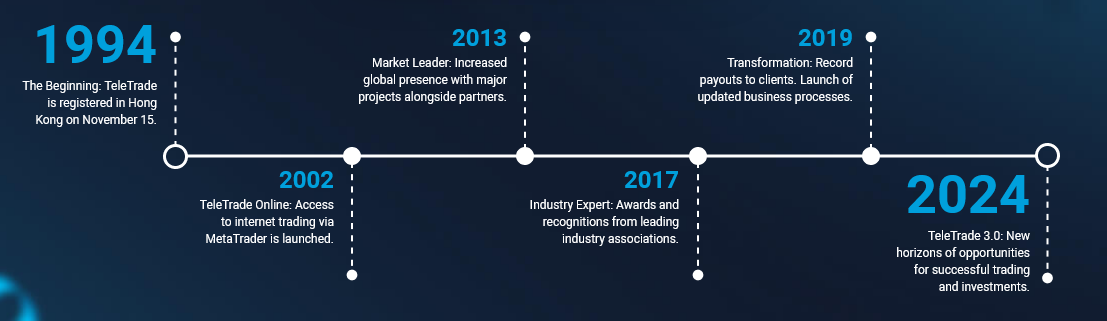
TeleTrade is a brand whose origins go back 30 years in Hong Kong. While this broker’s website places emphasis on this, in practice it is difficult to judge how much continuity there is with the broker you would be dealing with today. Relatively recently, the TeleTrade business in the European Union has been rebranded as Earn . While the two brands still have many characteristics in common, the different ownership means they must be evaluated separately. You will therefore find a separate review of the Earn brand on this website. The TeleTrade brand currently represents a fully offshore broker based in St. Louis. Vincent and the Grenadines. Despite the brand’s long history and affiliation with a broker based and regulated in Cyprus, this legal status places TeleTrade in a different category from offshore subdivisions and regulated brokers.
As an offshore broker, TeleTrade is able to offer higher leverage and bonuses, but you should also consider the negative aspects. TeleTrade is not subject to any significant regulatory scrutiny and does not provide certain basic safeguards for customer funds. Nowhere in TeleTrade’s documentation or website did we find information regarding negative balance protection and segregated bank accounts for customers.
Clients of this broker also cannot rely on guarantees from the Investor Compensation Fund, like retail clients of brokers licensed in the EU or UK. Some offshore brokers participate in voluntary compensation schemes in the event of bankruptcy, such as the Hong Kong-based private self-regulatory institution the Financial Commission. Others take out insurance for the benefit of their clients. But TeleTrade does not take such extra steps to instill more confidence in its potential customers.
TeleTrade enables trading with the two most established platforms in the industry, MetaTrader 4 (MT4) and MetaTrader 5 (MT5). However, unlike many of its competitors, TeleTrade does not provide additional services associated with this software, such as VPS or third-party extension subscriptions. The broker offers over 500 CFD tradable instruments, as well as a separate account for investing in stocks and ETFs. But TeleTrade has a rather unusual pricing model, the likes of which we’ve really only seen with the broker’s rebranded European business, Earn. All account types offered by TeleTrade have a percentage commission. It is typical for brokers to offer a choice between floating spread accounts and accounts with a raw spread and fixed commission. This makes TeleTrade suitable only for traders with specific needs and investment strategies. It should be noted that there is a discrepancy between the account types advertised on the website and those actually available. There is also a discrepancy between advertised and actually available payment methods.
Judging by the languages in which the website is available, TeleTrade targets mainly Eastern Europe and certain parts of Asia – English, Spanish, Russian, Serbian, Ukrainian and Vietnamese. The client area is available in several other languages – Chinese, Polish, Czech, Latvian, Lithuanian and Portuguese, while Serbian is missing there. According to the Website Disclaimer, TeleTrade does not provide services to customers in the United States, Canada, and certain sanctioned countries. However, given the offshore status of this broker, you should check to see if any legislation you are subject to prohibits you from being a TeleTrade client.
TeleTrade Licenses and Regulation
At the time of writing this review, the TeleTrade brand is operated by the Teletrade D.J. LLC company, based in St. Vincent and the Grenadines (SVG). The broker offers its services through the domain teletrade.org.

While offshore areas such as Seychelles or Mauritius do have some minimum requirements for companies engaged in brokerage activities, SVG does not impose any regulatory oversight over this activity at all. The local Financial Services Authority (FSA) specifically warns that it does not license forex, binary and other types of brokers. While companies offering forex and CFD services can register in SVG, they are often registered as international business companies (IBCs) without strict requirements to obtain a specific forex trading license. This means they are not subjected to the same level of scrutiny as brokers in jurisdictions with stringent financial regulations. SVG does not impose specific capital adequacy requirements or demand compliance with client protection measures such as segregated client accounts or compensation schemes that are typical in other regulatory frameworks. Forex and CFD brokers registered in SVG are not required by local law to uphold standards for product disclosure, leverage limits, or negative balance protection.
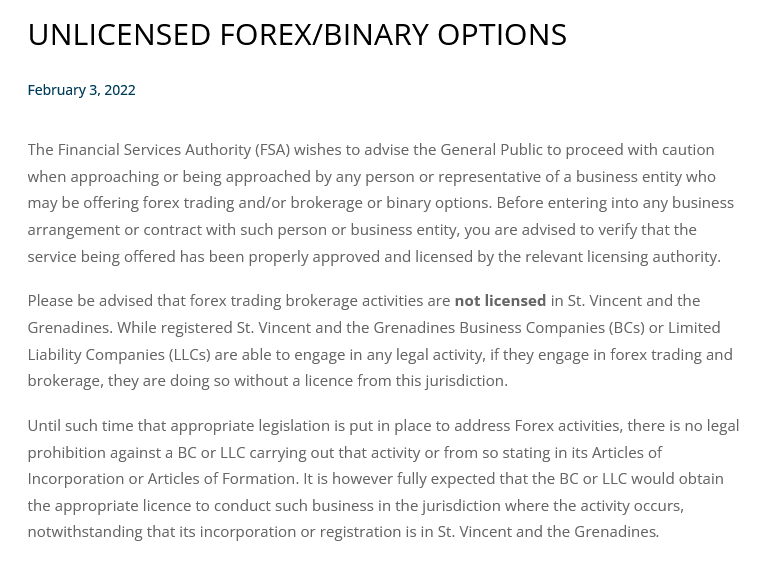
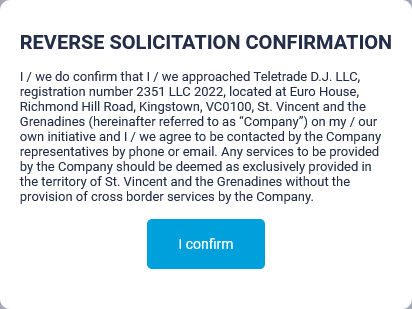
The FSA nevertheless states that it is “fully expected that the BC or LLC would obtain the appropriate license to conduct such business in the jurisdiction where the activity occurs, notwithstanding that its incorporation or registration is in St. Vincent and the Grenadines.” However, we found no information that the company behind TeleTrade is licensed in another jurisdiction. In fact, when initially logging into the broker’s website, you should note your agreement to an unusual Reverse Solicitation. This constitutes an exception which removes the need for a third-country firm to be licensed to provide services in a jurisdiction where those services have been solicited at the exclusive initiative of the client.
While SVG offers an easier entry point for forex and CFD brokers due to its lenient regulatory environment, it poses increased risks for traders. The absence of stringent regulatory oversight means less protection for traders, highlighting the importance of careful broker selection and the consideration of additional regulatory coverages from other jurisdictions. Traders should weigh the benefits of potentially favorable trading conditions against the risks of reduced regulatory protection.
A forex broker based in an offshore area without stringent regulatory oversight, such as St. Vincent and the Grenadines, offers both advantages and disadvantages for traders.
Offshore brokers can offer much higher leverage, sometimes up to 1:500 or more, which may be appealing to traders seeking to maximize their trading positions with minimal capital. Higher leverage can benefit traders who employ aggressive strategies or prefer high-risk, high-reward trading setups, which may be restricted in tightly regulated environments. Offshore brokers often have reduced operating expenses due to lighter regulatory fees, allowing them to offer competitive spreads, lower commissions, and minimal fees. Such brokers typically impose fewer restrictions on trading techniques like scalping, hedging, and high-frequency trading, appealing to traders who use these strategies.
Many offshore brokers offer promotional incentives, such as deposit bonuses, cash rewards, and trading rebates, which may not be permitted in regulated jurisdictions. These bonuses can increase trading capital, especially for new traders, potentially amplifying profit opportunities. Offshore brokers generally have a simplified account setup process, often with minimal identity verification requirements compared to regulated brokers. These brokers often allow smaller initial deposits, making forex trading more accessible to new traders or those with limited funds. Offshore brokers frequently support alternative funding options, including cryptocurrencies, local payment processors, and other methods that may be restricted by regulatory bodies.
But without regulatory oversight, traders have no formal recourse if the broker engages in unethical practices, delays withdrawals, or engages in price manipulation. Traders are not protected by investor compensation funds, which are commonly mandated in regulated regions to reimburse clients if the broker becomes insolvent. Offshore brokers can sometimes operate without accountability, increasing the chance of encountering fraudulent or fly-by-night operations that could result in significant financial losses for traders. Unregulated brokers may have less transparent pricing and order execution, leading to issues like slippage, re-quotes, or widened spreads that disadvantage the trader. Most offshore brokers do not offer negative balance protection, meaning traders can lose more than their initial deposit during extreme market volatility, leading to potentially significant debt. Many offshore brokers are not required to segregate client funds from their operating capital, which increases the risk of misappropriation or loss of funds if the broker faces financial difficulties.
Offshore brokers typically do not disclose their financial health or business practices publicly, leaving traders with limited insights into the company’s stability or integrity. In some cases, offshore brokers have unclear or complex ownership structures, making it difficult to assess their legitimacy or track record. Offshore brokers may impose withdrawal restrictions, delays, or high fees, especially for larger withdrawals, which can frustrate traders seeking quick access to funds. Offshore brokers may impose fees for currency conversion, particularly if they primarily handle foreign currency transactions. Offshore brokers operating without regulatory oversight may be challenging to hold accountable in legal disputes. International litigation can be costly, time-consuming, and complicated, with limited guarantees of resolution. Trading with an unregulated offshore broker may carry reputational risks, as other traders and financial institutions might perceive the choice as risky or untrustworthy.
While brokers based in offshore jurisdictions without regulatory oversight, like St. Vincent and the Grenadines, can offer benefits such as higher leverage, lower costs, and greater flexibility, these advantages come at a cost. The lack of regulatory protection, increased risk of unethical practices, and limited avenues for dispute resolution make it essential for traders to exercise caution. Due diligence, including researching the broker’s reputation and history, is crucial to mitigate the potential risks associated with trading through an unregulated offshore broker.
TeleTrade Trading Software
If you choose to trade financial instruments through this broker, you can do so through the two most established platforms in the industry – MetaTrader 4 (MT4) and MetaTrader 5 (MT5). While there are other full-featured alternatives like cTrader, MetaTrader software remains the industry standard, and for good reason.
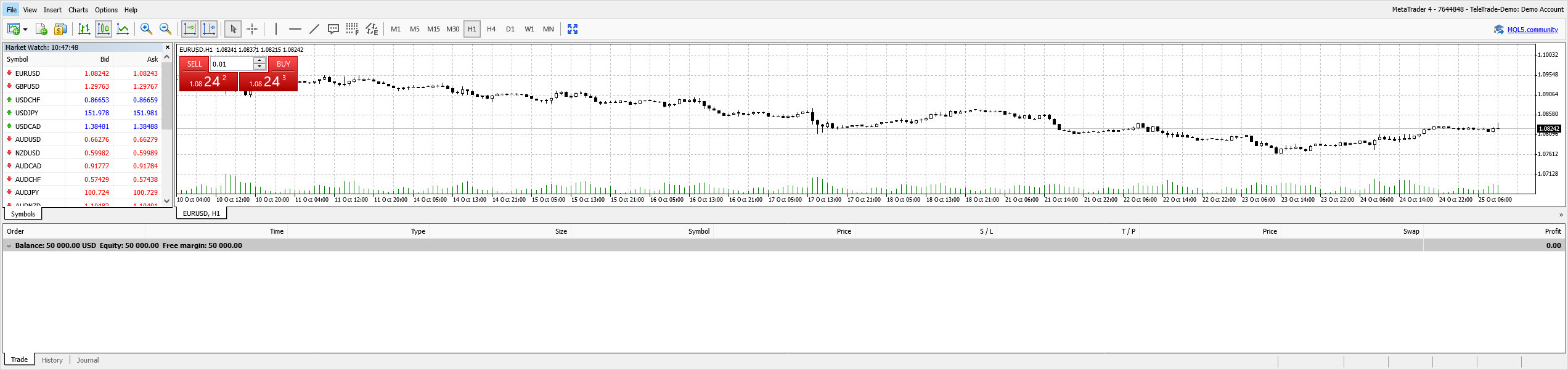
MetaTrader 4 (MT4) is a highly popular trading platform primarily used for Forex trading, as well as for CFDs (contracts for differences) and futures markets. Developed by MetaQuotes Software and released in 2005, MT4 is renowned for its advanced trading capabilities, robust security, and accessibility for traders of all skill levels. MT4 features an intuitive interface that allows traders to efficiently manage their trades and analyze markets. It offers multiple chart setups and supports various time frames, enabling traders to make more informed decisions. The platform is equipped with a comprehensive set of technical analysis tools, including over 30 built-in indicators, more than 2,000 free custom indicators, and 700 additional indicators available for purchase. These tools assist traders in analyzing price dynamics of financial instruments.
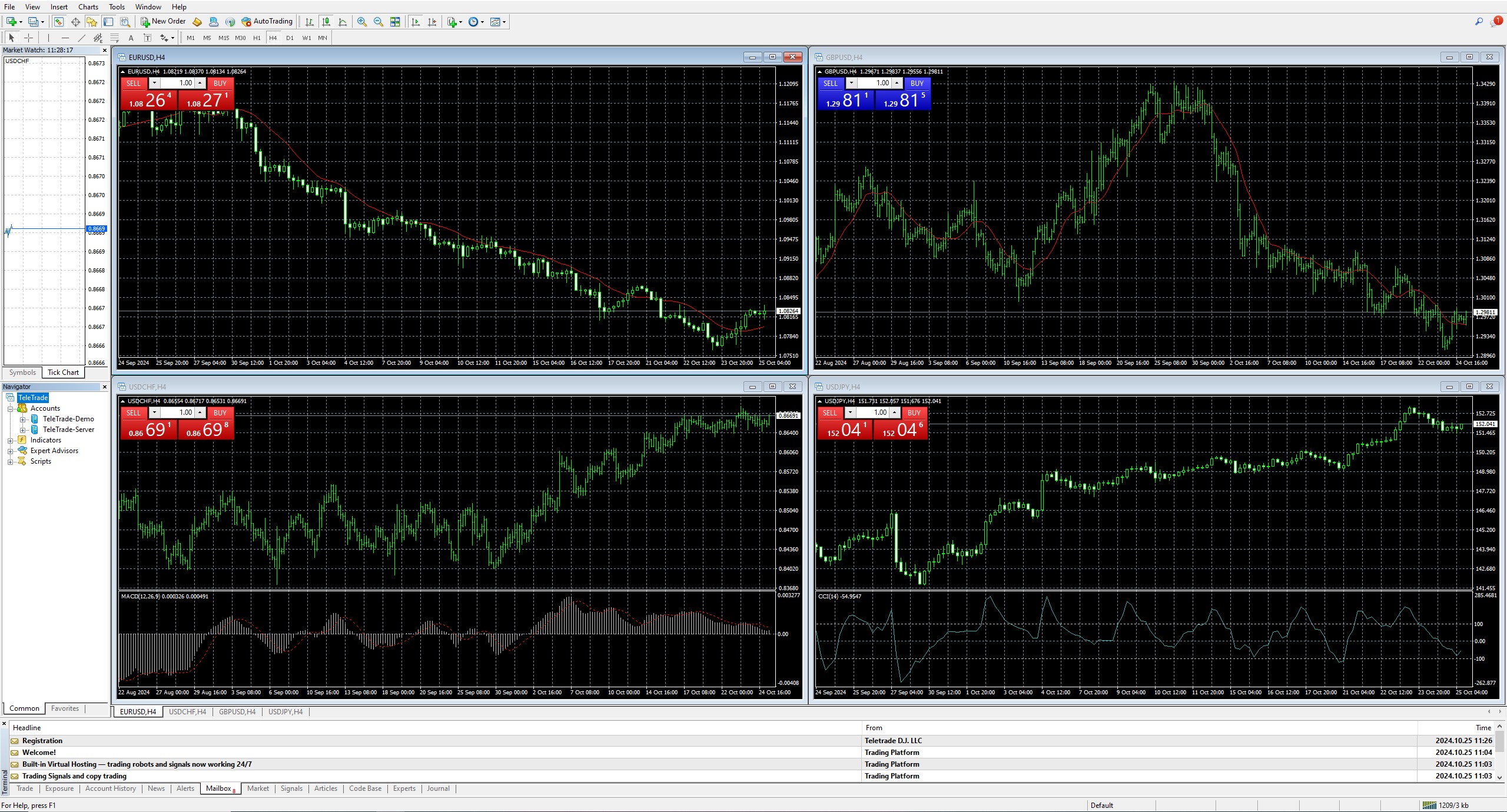
One of the standout features of MT4 is its support for automated trading through Expert Advisors (EAs). EAs automate trading strategies, allowing trades to be managed automatically based on predefined conditions. Users can create custom indicators and scripts using the MQL4 (MetaQuotes Language 4) programming language, specifically designed for developing trading robots and technical indicators. MT4 provides robust security by encrypting data between the trader and the server with a 128-bit key and supporting RSA digital signatures, ensuring that trading and personal data are well-protected. The platform includes advanced communication tools for brokers to post messages and communicate directly with traders, which can be very useful for real-time updates and support. : MetaTrader 4 is available as a web version accessible via an internet browser, and as fully-fledged desktop applications for Windows, Mac, and Linux. It also offers mobile versions for iOS and Android, allowing traders to manage their accounts from smartphones and tablets, providing the flexibility to trade on the go. The platform grants access to market news and includes an internal mailing system to keep traders updated with the latest economic events.
MetaTrader 5 (MT5) is the successor to MetaTrader 4, developed and released by MetaQuotes Software in 2010. It’s designed to cater to a broader market, including not just Forex but also stocks, commodities, and futures. MT5 is equipped with more advanced technological features compared to MT4 and offers additional functionalities aimed at professional traders. Unlike MT4, which is primarily focused on Forex trading, MT5 allows trading in several financial markets from a single account. This includes stocks, futures, and CFDs, providing traders with extensive opportunities to trade different instruments. MT5 includes more technical indicators, graphical objects, and timeframe options than MT4. It features 21 timeframes, over 80 technical indicators and analytical tools, and has an integrated economic calendar directly on the platform.
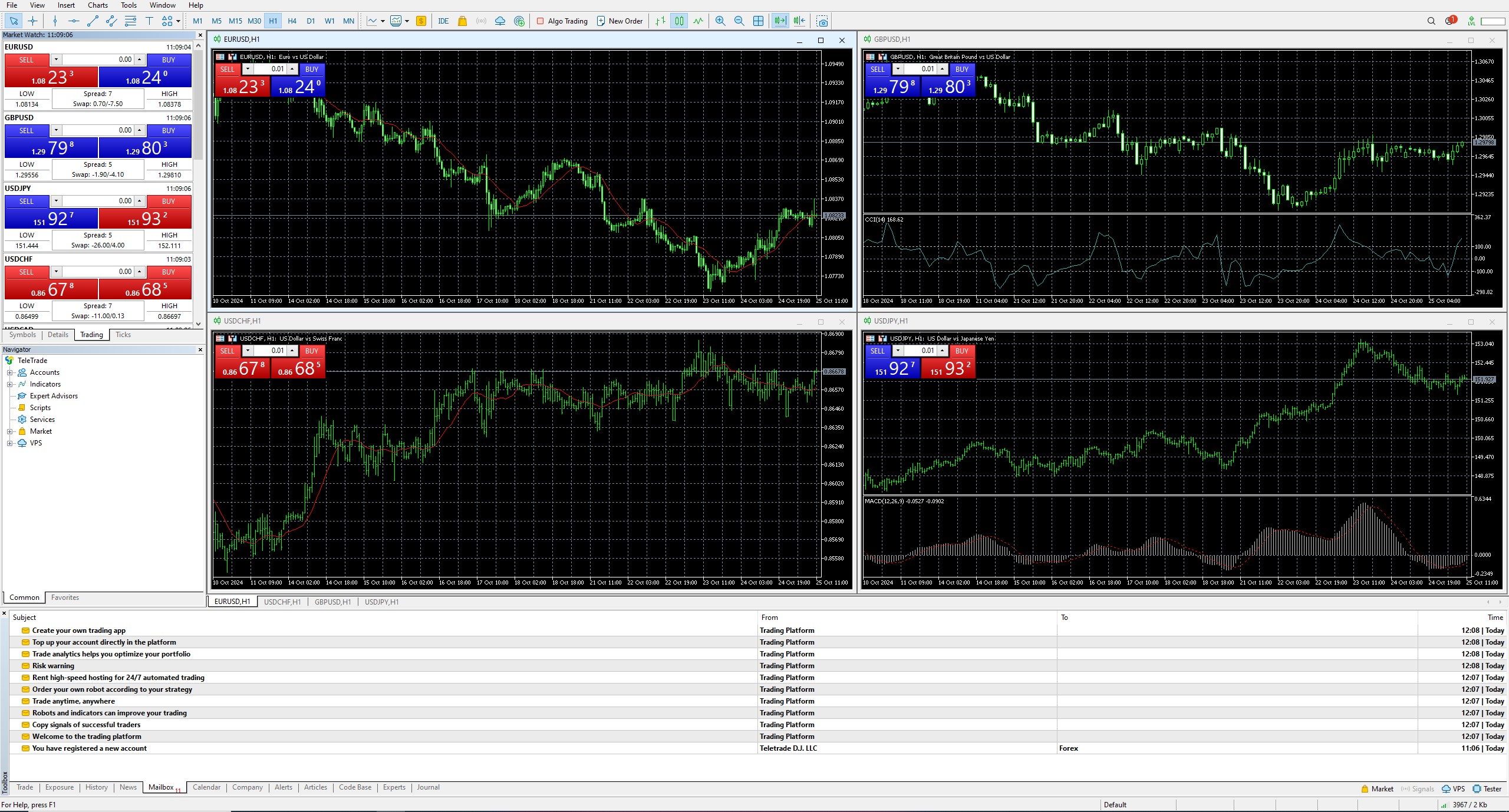
A significant feature of MT5 is the Market Depth functionality, which shows the price quotes from different market participants in real-time. This is particularly useful for day traders and those using scalping techniques. The platform supports MQL5 (MetaQuotes Language 5), which is more powerful and efficient than MQL4. MQL5 allows for faster execution, more advanced EA (Expert Advisor) capabilities, and easier programming of complex trading strategies. However, this means that scripts developed for MT4 cannot be directly implemented in MT5. For those who develop and test algorithmic trading strategies, MT5 offers a powerful strategy tester that supports multi-threaded, multi-currency, and real tick data testing. It also allows the visualization of testing results, providing more insights into the effectiveness of a strategy.
MT5 provides more advanced charting capabilities, allowing for more thorough analysis. Traders can open up to 100 charts simultaneously, and the charts come with 21 timeframes and over 80 built-in technical indicators and analytical tools. Integrated directly into the platform, the economic calendar keeps traders apprised of major economic events that can impact the market, without needing to use an external website. MT5 offers four types of order execution: Market, Instant, Request, and Exchange. This variety allows for greater flexibility and precision in executing different trading strategies.: MT5 supports both netting and hedging systems. While MT4 only offers hedging, MT5 allows traders to choose the system that best suits their trading style and regulatory requirements.
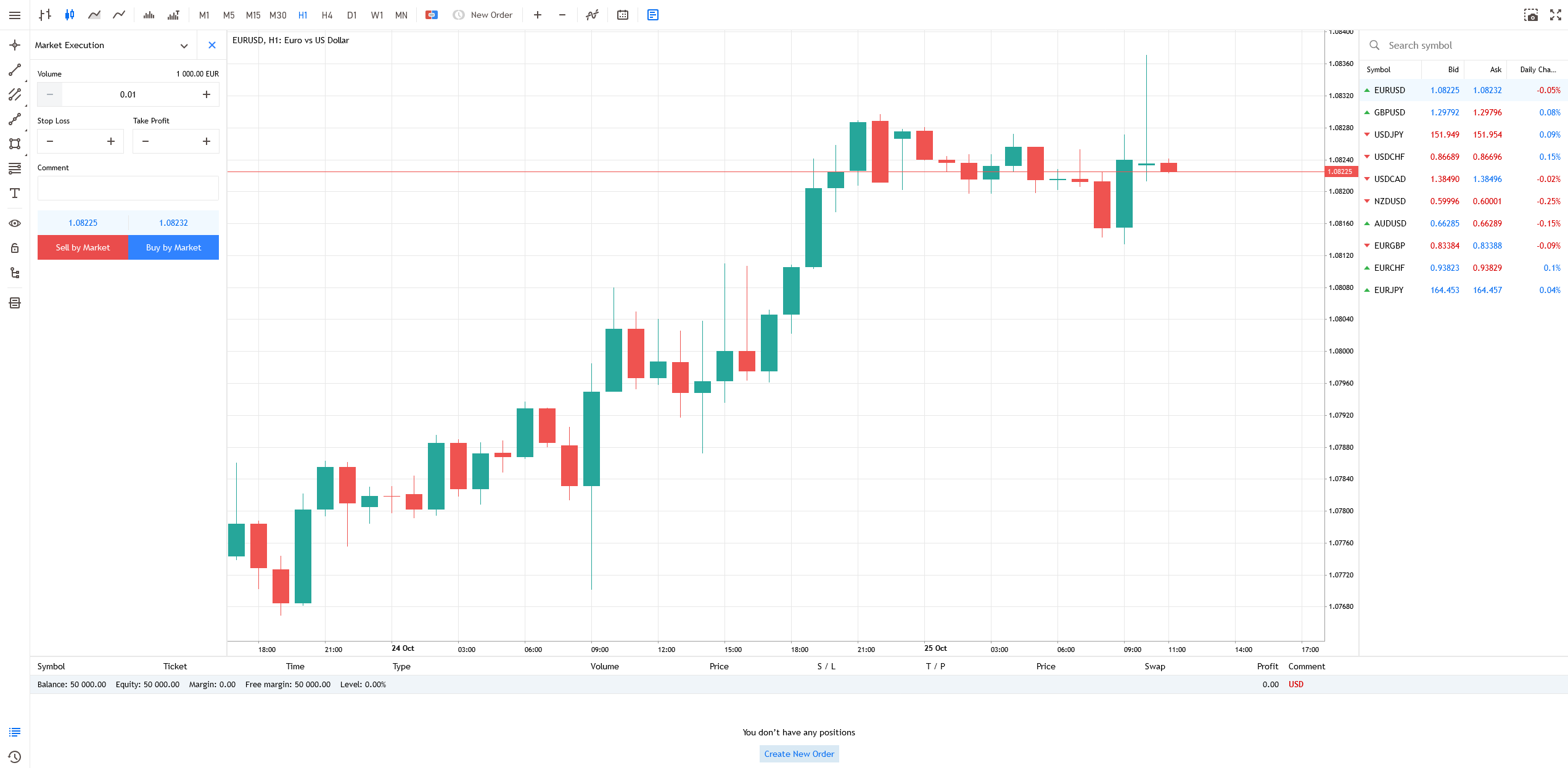
Many traders find MT4 simpler and more straightforward compared to MT5, which offers a broader range of features that can sometimes feel overwhelming. MT4 has been around longer than MT5, leading to wider adoption among brokers and a larger user base. As a result, many brokers continue to support MT4, and it often covers a wide range of markets that traders are interested in. The MQL4 programming language used in MT4 is considered by some traders to be easier to learn and use compared to MQL5. The extensive library of EAs, custom indicators, and scripts available for MT4 is a significant advantage for those who rely heavily on automated trading. Some trading strategies developed for MT4 are not directly compatible with MT5 due to differences in the programming languages and platform architecture. Traders who have invested time and resources in developing or acquiring MT4 strategies may prefer to continue using MT4 to avoid the hassle of converting their tools to MT5.
Full utilization of the capabilities of the MetaTrader platforms for automated trading requires the use of a Virtual Private Server (VPS). This allows scripts to run reliably 24/7 without depending on the trader’s personal hardware and internet connection. Some brokers offer their own VPS services or cover the subscription fees of traders meeting certain capital invested and volume traded requirements. But TeleTrade offers no such services and you must rely on third-party providers of VPS. TeleTrade also does not offer subscriptions to analytics and research tool packages that extend the platform’s functionality, such as Acuity, Autochartist or Trading Central.
TeleTrade Account types and trading conditions
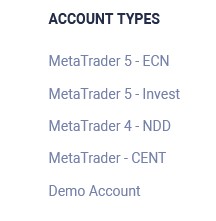
The TeleTrade website describes four types of trading accounts – ECN, which can be used with the MT5 platform, Invest account for trading stocks and ETFs, which can also be used with the MT5 platform, No Dealing Desk (NDD) account for the MT4 platform, and Cent account. The broker allows registration of two Demo versions for two of the account types – MT5 ECN and MT4 NDD. Separate registration is required for each demo account.
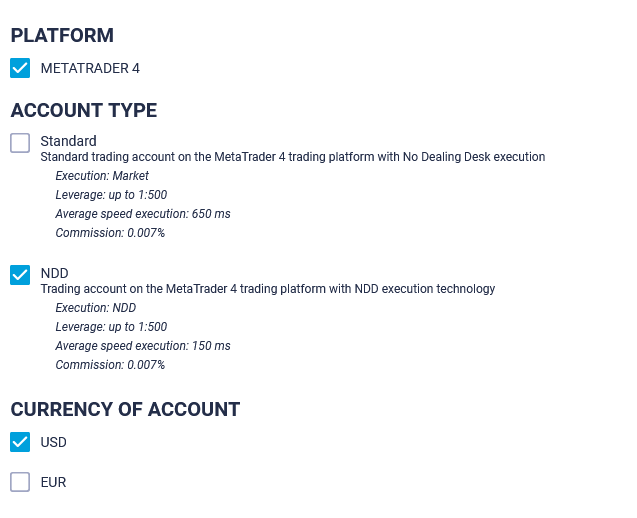
When you register a live account, you automatically get an MT4 NDD account.

In the registration process you can change the account type to MT4 Standard Account – for which there is no description on the website. According to the description in the registration form this is also a No Dealing Desk account, but with slower order execution. The only other parameter you can change is the base currency of the account, and the only choice is between USD and EUR.
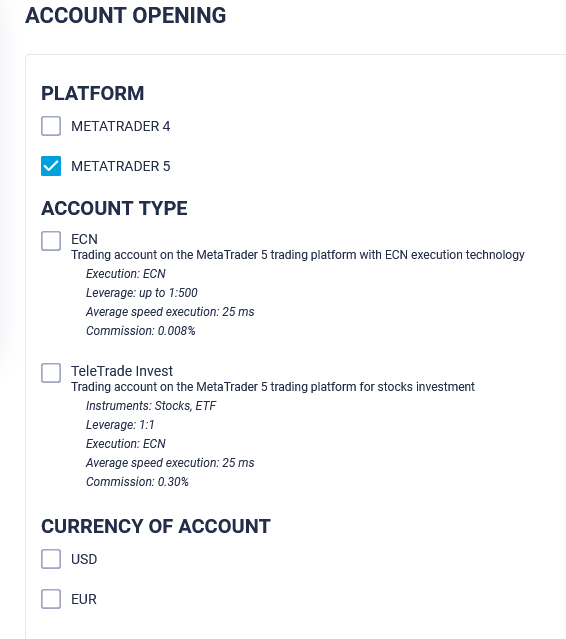
After initial registration you can register additional live trading accounts. Here you can now register both types of accounts using the MT4 platform – ECN and Invest. But we did not find an option to register the Cent account that is advertised on the website.
The descriptions of the account types offered by TeleTrade do not specify a minimum deposit. There is no minimum deposit amount set in the deposit menu itself. This means that you can start trading with a token amount. The broker encourages you to deposit funds before you have verified your identity by providing documents.
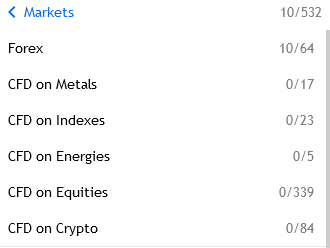
This broker offers trading in over 500 CFD instruments, including 64 currency pairs, 17 metals, 23 indices, 5 energies, 339 stocks, 84 cryptocurrencies and 2 bonds. The available tradable symbols may vary according to the platform you are using.
TeleTrade ofers pricing model that is not typical for the industry. Most brokers offer a choice between accounts where the client pays only a floating spread (typically between 1 and 2 pips) and raw spread accounts where the client pays a fixed commission per lot traded (e.g. USD 3 per side per lot). All accounts of this broker have a commission, which, however, is not a fixed amount per traded lot, but a percentage of the order.
According to the MT5 ECN account description, clients can expect a floating spread starting from 0.2 pips and a commission of 0.008% for execution of trade transactions. For the MT4 NDD account, the advertised floating spread is 0.8 pips and the commission is 0.007%.
No commissions or spreads are shown for the Cent account. For the MT5 invest account a “total commission” of 0.3% is specified. All accounts have a fairly low stop-out level – 20% for the CFD trading accounts and 10% for the Invest account. While this allows for greater flexibility, it also increases risk, especially when trading with high leverage and in the absence of negative balance protection.
The spreads we saw on the trading platforms were not consistent with what was advertised. In the MT5 platform we saw a spread of 0.7 pips, which is too high for an ECN type account. When using the MT4 NDD Demo account we saw a spread of 0.1 pips, which is actually lower than advertised on the website, and when using the MT4 Standard account the spread was 0.5 pips.
Whether this trading price is advantageous and competitive relative to more typical pricing models largely depends on order size and the trading strategies you apply. A forex and CFDs broker that only offers fixed commission accounts, particularly one where the commission is a percentage of the order value rather than a standard amount per lot traded, presents several potential disadvantages. A commission based on a percentage of the order value can make trading costs significantly higher, especially for larger trades. For example, if a trader opens a large position, the commission will scale up with the trade size, making it more expensive compared to a flat fee per lot. Since the commission is tied to the order value, traders cannot easily predict their costs upfront. With a fixed per-lot commission, it’s easier to calculate the cost of a trade before placing it, which helps with planning and risk management. A percentage-based fee makes this more complicated, particularly for traders who vary their position sizes. Traders who engage in scalping or high-frequency trading typically open and close many trades in a short period. The commission percentage on each trade could quickly add up, eating into the profits of traders who rely on smaller, frequent price movements. Scalpers usually benefit more from lower spreads and fixed commissions per lot traded, as this allows them to focus on fast execution without excessive cost overhead. Many brokers offer attractive conditions for high-volume traders by providing reduced costs per lot as trade sizes increase. With a percentage-based commission, this benefit is not available, potentially making the broker less appealing to those who execute larger or more frequent trades. By not offering floating spread accounts, the broker misses out on appealing to a wide segment of traders who prefer the flexibility and potentially lower costs of trading with variable spreads. Floating spreads can be narrower during periods of market stability, offering cost savings to traders who can time their trades accordingly.
While there are notable disadvantages to a forex broker that offers only fixed commission accounts based on a percentage of the order value, there are also some potential advantages. These benefits may appeal to specific types of traders or in certain trading environments. In some cases, brokers with fixed commission structures can offer clearer pricing, without extra costs buried in the spread or in additional fees that might be associated with floating spread accounts. Traders who typically open smaller positions might benefit from percentage-based commissions. For instance, if a trader is opening a small trade, the total commission could be lower than a fixed commission-per-lot model, where the cost remains constant regardless of trade size. For part-time or low-volume retail traders, this can offer savings. If a trader consistently makes small trades, the cost remains proportionate to the trade size, which may feel fairer compared to a flat fee that could be disproportionately high for smaller transactions. Brokers that charge a percentage-based commission may have a stronger incentive to offer top-tier execution services, as their commission grows with the value of the trade. This could lead to better trade routing, lower slippage, and improved execution quality overall. In certain market conditions, this model might offer competitive pricing for large positions by reducing per-trade costs relative to a fixed-fee structure.
As stated, TeleTrade advertises a Cent account, but in practice we found no way to register one. According to the description on the website, this type of account allows trading in about 200 financial instruments, which is less than twice the number offered with other account types. A Cent account is a type of forex trading account offered by some brokers that allows traders to operate with much smaller amounts of capital compared to standard accounts. The key feature of a Cent account is that it displays balances and transactions in cents rather than in standard currency units (like dollars, euros, etc.). For example, if you deposit $10 into a Cent account, your balance will be shown as 1,000 cents. Because trades are made in cents, the potential financial loss is minimized. This makes Cent accounts an excellent choice for novice traders who are still learning the ropes of forex trading and want to practice risk management with real money but with low stakes. Although the amounts involved are small, traders using Cent accounts can experience real market conditions, including price fluctuations, spreads, and slippage, which is invaluable for building practical trading skills. Cent accounts are often used by experienced traders to test new strategies or Expert Advisors (EAs) in a live trading environment with minimal financial risk. This allows them to fine-tune their approaches before deploying them in standard accounts with larger capital.
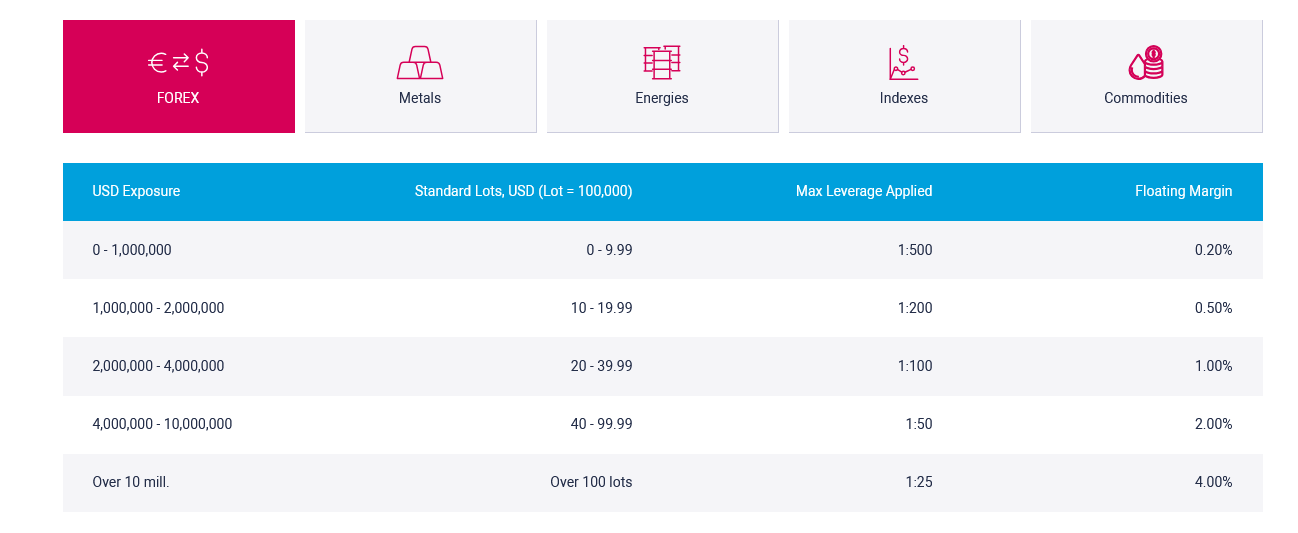
TeleTrade offers leverage up to 1:500, which is common for an offshore broker, but is not the highest level you will encounter. The maximum leverage when trading forex, metals, energy, indices and commodities is dynamic and depends on the overall exposures of the account. The maximum level of 1:500 only applies to trading currency pairs with exposures below 10 standard lots, or 1,000,000 USD. Between 10 and 20 lots the maximum leverage is 1:200, for exposures between 20 and 40 lots it is 1:100, between 40 and 100 lots it is 1:50, and for exposures over 100 lots, leverage is limited to 1:25. For metals, the maximum leverage ranges between 1:500 and 1:25, for energy and indices between 1:200 and 1:10, and for commodities between 1:100 and 1:10. Leverage for cryptocurrency and equity trading is fixed at 1:5.
We found no information on the TeleTrade website regarding Islamic-type accounts where swap fees were either waived or replaced with another type of fee. Such accounts are mentioned in the descriptions of one of the bonuses offered, but not in the broker’s legal documentation. These types of accounts are designed for customers of the Muslim faith who want to comply with religious requirements against interest. TeleTrade also does not offer popular passive income options, which you will find with many other brokers, such as Copy Trading and PAMM accounts. The broker offers different and not clearly enough described options for passive income as part of one of its loyalty programs.
TeleTrade Deposit and Withdraw Methods
In preparing this review we discovered a discrepancy between the advertised and actually available payment methods, which does not create a good impression of this broker. Another glaring issue is the lack of clear information regarding deposit and withdrawal terms on TeleTrade’s website and documentation. In fact, on the website we only see logos of payment methods – Visa, MasterCard, Bank Transfer, P2P, OWNR Wallet, WebMoney, Perfect Money, Bitcoin and Tether.

After registering an account we were given access to a deposit menu where some of these options like WebMoney are missing, but others like FasaPay are available. At the time of writing this review the deposit option via Perfect Money was not functioning, and in fact disappeared from the menu before we finished the publication. Deposit by credit/debit card is not available for an unverified account.
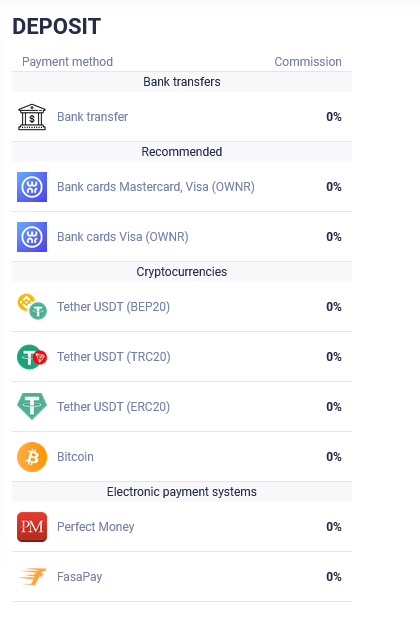
The broker does not specify minimum and maximum deposit and withdrawal amounts. All methods can be used for EUR and USD transfers except Fasapay, which facilitates USD transactions only. TeleTrade claims that it does not charge deposit fees, but we found no clear information on withdrawal fees.
| Deposit method | Minimum | Maximum | Processing time | Fee |
| Bank | Unspecified | Unspecified | Unspecified | Free |
| Credit/Debit Card | Unspecified | Unspecified | Unspecified | Free |
| Crypto | Unspecified | Unspecified | Unspecified | Free |
| FasaPay | Unspecified | Unspecified | Unspecified | Free |
| Withdrawal method | Minimum | Maximum | Processing time | Fee |
| Bank | Unspecified | Unspecified | Unspecified | Unspecified |
| Credit/Debit Card | Unspecified | Unspecified | Unspecified | Unspecified |
| Crypto | Unspecified | Unspecified | Unspecified | Unspecified |
| FasaPay | Unspecified | Unspecified | Unspecified | Unspecified |
TeleTrade Bonuses and Promotions
Offshore registration allows TeleTrade to offer bonuses and promotions without restrictions. This includes a VIP clients program with three levels – VIP, VIP Gold and VIP Platinum, requiring investments of 10,000, 50,000 and 100,000 USD respectively. Benefits for VIP clients include a personal manager, commutative monthly deposit bonus between 2% and 3%, cashback between 10% and 20%, 20% compensation of negative swaps, as well as compensation for deposit commissions, which contradicts claims that there are no such commissions.
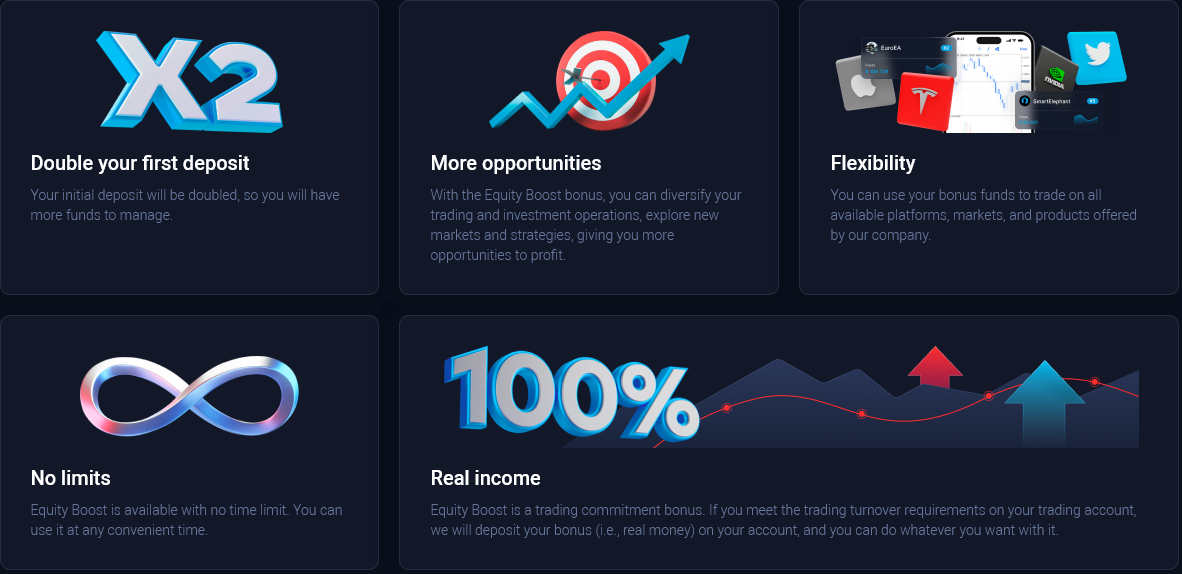
TeleTrade offers a welcome bonus called Equity Boost. This promotion provides a 100% first deposit bonus to a new customer. The maximum bonus amount is 5,000 USD. The bonus is valid for 30 days after the first trade is opened. Each 1000 USD bonus requires a turnover of 300 lots. If these volume requirements are met, the bonus funds become withdrawable.
Existing customers have the opportunity to benefit from a 30% Bonus on all their deposits. TeleTrade does not clearly specify a maximum amount for the bonus, but it is understood that the limit is again 5,000 USD. The traded volume requirements are the same as for the Equity Boost bonus.
The broker offers a separate loyalty program called TeleTrade Accruals. The program requires a deposit of more than 1,000 USD and includes two options. One is Passive Interest, which according to the description provides 4.5% annual interest on unused funds in trading accounts. The second option, Active Returns, provides an annual interest rate of 24% and is available for deposits of USD 1,000 or more or the amount of funds in the Client’s account above USD 1,000. Income is accrued at a rate of 2% for each calendar month. Accrual is made monthly, by the 5th day of the month following the billing month. The basis for calculating the amount of accruals is the amount of the Customer’s own funds as of the end of the settlement month, less the funds deposited to the account
during the settlement month. The turnover on trading operations for each USD 1 000 (including open positions), which are on the Client’s trading account at the beginning of the month, shall be at least 4 lots during the settlement month. Accruals begin the month following the opening of a trading account or funding deposit of USD 1,000 or more.
Broker clients can participate in regular Challenges. Participation requires a deposit of a minimum of 1000 USD. The five participants with the greatest trading success during the Challenge receive as a reward the opportunity to manage funds between 50,000 and 5,000 and earn 15% of the profits made.
| Bonus | Min deposit | Max bonus | Required turnover | Cash out limit |
| Equity Boost | Unspecified | $5000 | $30000000 | Unspecified |
| 30% Bonus | Unspecified | $5000 | $30000000 | Unspecified |
| Challenges | $1000 | Unspecified | Unspecified | Unspecified |
TeleTrade Tools and Education
TeleTrade offers almost nothing in terms of education. On the website, we see claims that online and offline courses are offered, but no concrete information. The broker does not offer a glossary, articles, video tutorials, webinars, e-books and other educational resources that you will find with most established brokers.
In terms of information resources, the picture is slightly better. TeleTrade offers an economic calendar, a market news section, technical analysis and market commentary from experts. But as mentioned above, the broker does not offer advanced research tools to integrate with MetaTrader platforms. You can’t rely on TeleTrade for trading signals and other important instruments to make informed investment decisions.
Notes from the author:
Generally speaking, a brand that advertises itself with a 30-year presence on the market sets the bar of expectations very high. However, TeleTrade fails to meet these expectations. The brand is currently operated by a completely unregulated company based in St Vincent and the Grenadines. The broker's licensed EU business has now been rebranded as Earn and appears to have a different owner. TeleTrade applies a rather puzzling pricing model, which is its most specific feature. While there will be traders who will find it advantageous to trade on a percentage commission, for many more potential clients the lack of floating spread accounts or a more traditional fixed commission will be a deal breaker. TeleTrade offers the MetaTrader 4 and 5 platforms, but does not provide the necessary tools to take full advantage of their functionality. The available tradable instruments are many in number and variety, but the strange trading conditions make this broker suitable only for certain trading strategies. The max leverage of 1:500 is not particularly impressive compared to the current offerings of other offshore brokers. The limited choice of payment methods is also quite disappointing. TeleTrade offers bonuses and promotions that can be seen as attractive, but are associated with rather high traded volume requirements. TeleTrade is a difficult broker to recommend, yet it doesn't deserve to be dismissed without having seen exactly what it offers.


