




TMGM Withdrawal – Any Problems?
TMGM provides a relatively wide range of payment methods, but these vary considerably depending on which company in the group you are a customer of and which jurisdiction you are in. In addition, many of the payment methods available for depositing funds cannot be used for withdrawals. Another factor to bear in mind is unlike most leading brands, TMGM requires a relatively high minimum withdrawal amount – USD/EUR/GBP 100 or equivalent in another currency.
Clients of the broker’s company in Vanuatu have the widest choice of payment methods. Withdrawal of funds is possible via international bank transfer in USD, EUR, GBP, AUD, NZD, CAD, Revolut in USD, EUR, GBP, AUD and CAD, Neteller in USD, EUR, GBP and CAD, Skrill only in USD, Wise in USD, EUR, GBP, AUD and CAD, instant wire transfer CNY, MYR, THB, IDR and VND. Credit/debit cards can be used only for deposits.
In New Zealand, the deposit options are only Bank Transfer, Neteller and Poli, and the withdrawal options are Bank Transfer and Neteller. In Australia, clients of the broker can make deposits via credit/debit cards, bank transfer, Pay ID, PayPal and Revolut/Wise, but can only withdraw funds via bank transfer in USD or AUD.
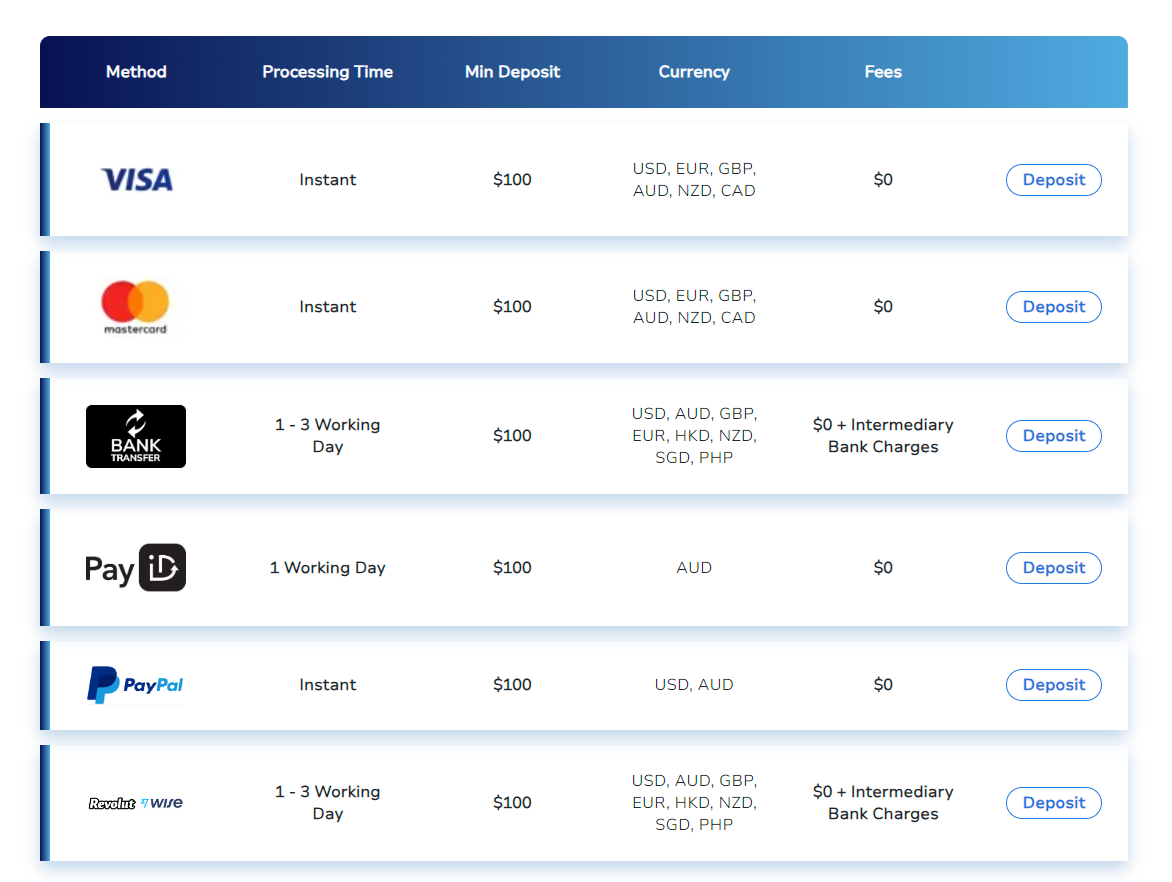
TMGM does not charge its own withdrawal fees, but fees may be incurred by the bank itself when using an international wire transfer. Given the difference between the deposit and withdrawal methods available, in many cases a customer will be forced to use a wire transfer to withdraw funds from their account.
To the extent that you have a choice with TMGM, you should weigh the pros and cons of the available payment methods to decide which fits your needs. Many clients of this broker will need to use an international or local bank transfer.
Bank transfers typically allow for higher withdrawal limits compared to other methods like credit/debit cards, making them ideal for withdrawing larger amounts of money. Bank transfers are accepted worldwide and can be used by traders in almost every country, making it a universal method for fund withdrawal. Bank transfers are known for their high level of security. The transaction process is heavily monitored by banks, which employ strict protocols to prevent fraud and unauthorized access. Funds are transferred directly into your bank account, which can be more convenient for managing large sums of money and facilitates easier access to funds once they arrive. Unlike e-wallets or other payment systems, you don’t need to have an account with a third-party provider. The money goes straight into your existing bank account.
But bank transfers can be slower than other withdrawal methods. It can take anywhere from a few business days to over a week for the funds to appear in your account, depending on the banks and countries involved. TMGM states that International Bank Wire withdrawals can take 3-5 working days. The other payment method withdrawals are usually received within 1 working day.
The process for setting up a bank transfer also can be more complex and time-consuming, requiring more detailed information than other methods. The necessity for accurate bank details is critical. Mistakes in providing account numbers, SWIFT codes, or other identifying information can lead to delays or the funds being sent to the wrong account. Some banks may have restrictions or additional verification requirements for receiving funds from forex trading accounts, which can complicate or delay the withdrawal process.
If you have a local bank transfer option this also has certain advantages and disadvantages depending on your specific circumstances and geographical location. Local bank transfers can have lower fees compared to international wire transfers. Some forex brokers and banks offer free or low-cost local transfers as part of their services to domestic clients. Local bank transfers are often processed faster than international transfers. In many cases, funds can be transferred within the same day or the next business day, providing quicker access to your funds. If your trading account and bank account are in the same currency, you’ll avoid the fees and potential losses from currency conversion that can occur with other withdrawal methods. On the other hand, local bank transfers are not suitable for international transactions. If you need to transfer funds across borders, you’ll likely incur higher fees and longer processing times associated with international wire transfers. Unlike electronic payments that can be processed anytime, local bank transfers are subject to the operating hours of your bank. This could delay processing if you initiate a withdrawal outside of banking hours or over the weekend. Withdrawals through local bank transfers require disclosing your bank account details to your broker, which might not be preferred by traders seeking more privacy in their financial transactions.
Utilizing e-wallets such as Neteller or Skrill for withdrawals from your forex trading account provides a contemporary and adaptable option compared to the conventional methods like bank transfers and credit/debit card transactions. These e-wallets each bring their distinctive features to the table, yet they share several benefits and drawbacks for forex trading withdrawals.
E-wallet transactions are known for their speed, often outpacing the processing times of bank transfers and credit/debit card withdrawals. It’s common for funds to be accessible in your e-wallet within a day. The design of e-wallets caters to seamless online transactions, making withdrawals straightforward. Once funds are in your e-wallet, they’re readily available for further online use or for transfer to a bank account. E-wallets stand out for their global accessibility and multi-currency support, offering a flexible solution for traders around the world. Moreover, opting for an e-wallet adds a privacy layer since it eliminates the need to disclose bank or card details to the forex broker.
However, it’s important to note some limitations. Certain e-wallets may restrict how much you can withdraw either in a single transaction or over a set period, which could pose an issue for traders wishing to access larger sums. The requirement for account verification with e-wallets entails a potentially lengthy process of providing personal information and documentation for identity confirmation. Dependence on internet connectivity and, in some cases, a smartphone, for accessing your funds may not suit everyone’s situation. Despite their robust security measures, e-wallets are not impervious to online threats such as hacking or phishing. Users must exercise caution and safeguard their account information to prevent unauthorized breaches.
In order to deposit and withdraw money from a forex trading account, you must have verified your account in accordance with the Know Your Customer (KYC) policy. This requires you to provide proof of identity and proof of address.
Standard anti-money laundering and anti-terrorist sponsorship measures (AML) also require the same payment method to be used to withdraw funds as was used to make the deposits. However, given the difference between the deposit and withdrawal methods available, in many cases this will not be possible, especially if you have deposited by credit or debit card. In such cases, you can only withdraw funds by bank transfer. The bank account to which the withdrawal is made must be in the same name as the TMGM account.
If your account and withdrawal request meets these conditions, the withdrawal should be a straightforward and simple process. But before you proceed with this operation, there are a few more important things to keep in mind.
Firstly, for traders engaged in margin trading, it’s vital to assess the impact of a withdrawal on your open positions. Withdrawing a significant amount from your account could lower your margin level below the broker’s required threshold, potentially triggering a margin call or even leading to the forced liquidation of your positions. To avoid such scenarios, always calculate the effect of your withdrawal on your margin cushion and ensure you maintain the necessary equity in your account to support your open trades.
Another consideration is currency conversion. Withdrawals made in a currency different from your account’s base currency entail conversion, which comes with associated rates and fees. The exchange rate provided by your broker or financial institution might not align with the current market rate, potentially affecting the amount you receive. It’s advisable to familiarize yourself with your broker’s currency conversion policies and seek the most favorable rates to minimize losses due to conversion discrepancies.
Tax implications form another crucial aspect of withdrawals from forex trading accounts. Depending on your jurisdiction, profits earned from forex trading may be subject to taxes, and you bear the responsibility for declaring these earnings to your local tax authorities. Accurate and detailed record-keeping of all your trading transactions becomes indispensable in this context, enabling you to comply with tax regulations and facilitate any necessary reporting or audits.
Post-withdrawal, it is a good practice to regularly scrutinize your withdrawal history and check your bank statements. This vigilance helps in the early detection and rectification of any discrepancies that might arise, ensuring the integrity of your financial transactions.
For traders who have received bonuses from their brokers, it’s imperative to understand the terms attached to these bonuses before attempting to withdraw them or the profits accrued from using them. Many brokers enforce specific conditions, such as achieving a minimum trading volume, before these funds can be withdrawn. Understanding these conditions in advance can prevent any surprises and ensure you meet all necessary criteria for accessing your funds. TMGM has a regionally limited loyalty program and offers periodic trading competitions to its offshore clients, but at the time of writing this review, the broker does not offer bonuses whose terms limit the ability to withdraw funds.
In conclusion, while the act of withdrawing funds from your forex trading account might seem straightforward, a host of considerations—ranging from maintaining adequate margin levels and understanding currency conversion rates to complying with tax obligations and meeting bonus withdrawal conditions—play a pivotal role in ensuring the process is efficient and aligned with your trading and financial goals.
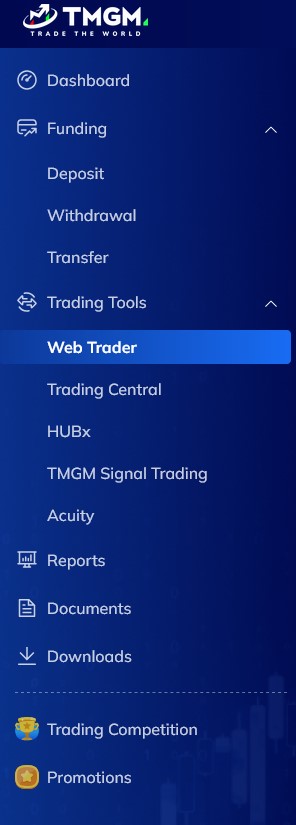
After logging into your account, you will need to click on the “Funding” tab in the top bar of the screen. The next step is to click on “Withdrawal tab. You are then required to select a payment method, enter an amount to withdraw and enter the billing details required by that payment method.


