



Traze License & Regulation: Is your money safe?
Traze operates under a multi-entity structure through its parent company, Zeal Capital Market, which holds licenses in several jurisdictions. This structure enables the broker to serve both retail and institutional clients worldwide, offering varied levels of oversight, flexibility, and trader protection based on the regulatory body involved.
Below is a breakdown of Traze’s regulatory landscape and what each license means for different types of traders:
1. FCA (UK) Regulation – Strong Protection for UK and EU Clients
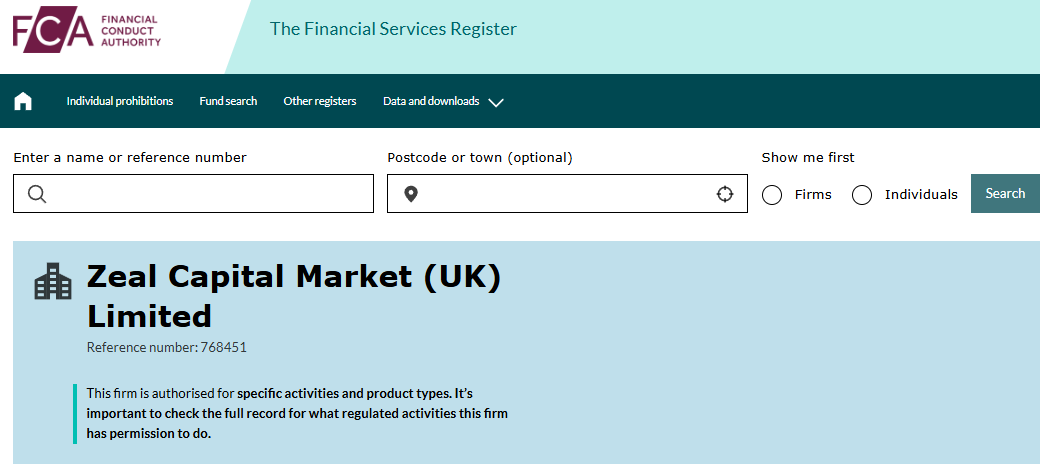
In the United Kingdom, Traze operates under Zeal Capital Market (UK) Limited, which is authorized and regulated by the Financial Conduct Authority (FCA) under license number 768451. The FCA is considered one of the most trusted financial regulators globally, known for its strict rules on:
- Client fund protection, including mandatory segregation of funds
- Negative balance protection for retail clients
- Leverage restrictions to reduce risk exposure
- Access to the Financial Services Compensation Scheme (FSCS), which protects client funds up to £85,000 in case of broker insolvency
This makes the FCA-regulated entity ideal for traders who prioritize security, transparency, and strong legal safeguards.
2. FSCA (South Africa) – Regional Coverage with Consumer Protections
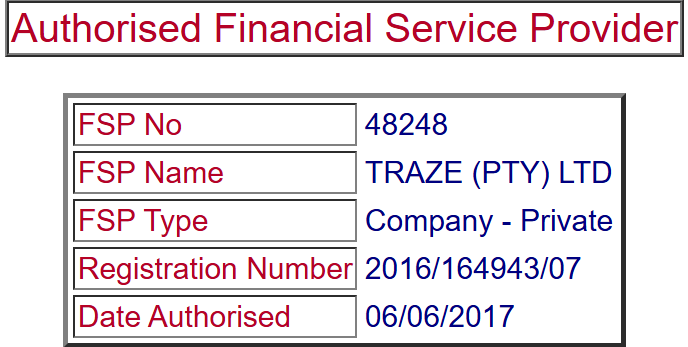
In South Africa, Traze is licensed through iTraze (Pty) Ltd, regulated by the Financial Sector Conduct Authority (FSCA) under FSP number 48248. The FSCA enforces:
- Fair treatment of clients
- Operational compliance within South Africa’s financial ecosystem
- Local access to financial recourse mechanisms
This license provides regional legitimacy and oversight, offering South African traders a locally compliant platform with responsive client support.
3. FSA (Seychelles) – Offshore Flexibility with Fewer Restrictions
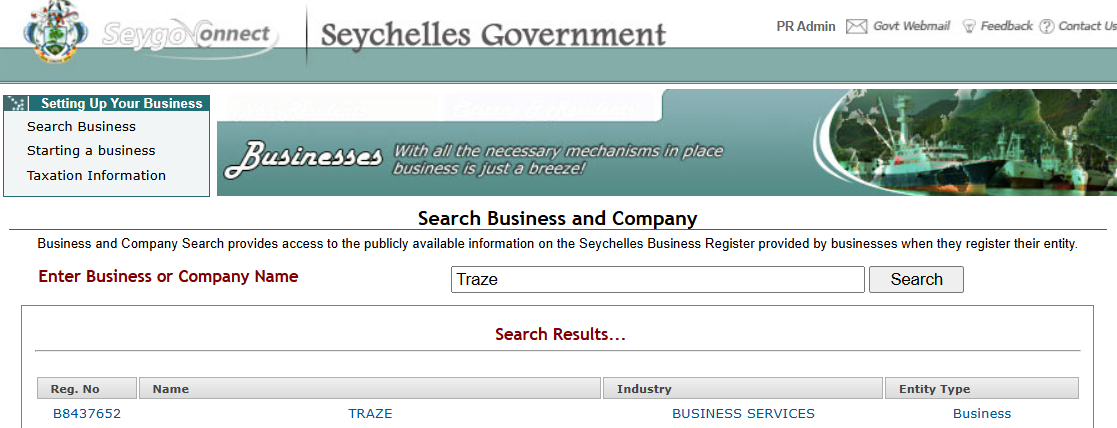
Traze also operates under Zeal Capital Market (Seychelles) Limited, regulated by the Seychelles Financial Services Authority (FSA) under license number SD027. While the FSA is a recognized offshore regulator, it imposes fewer restrictions compared to the FCA or FSCA. This setup enables the broker to:
- Offer higher leverage
- Serve clients from less-regulated regions
- Provide more flexible trading conditions
However, traders should be aware that offshore regulation lacks the robust investor protection mechanisms found in Tier-1 jurisdictions. Features like compensation schemes, strict capital adequacy standards, and comprehensive dispute resolution systems are often limited or absent.
Final Thoughts on Traze’s Regulatory Status
Traze’s multi-regulatory structure allows it to operate globally while adapting its trading conditions and compliance standards based on each region’s regulatory environment. While its FCA license offers top-tier client protection, the FSCA and FSA licenses provide broader market access with increased trading flexibility.
Traders should carefully assess which regulatory entity their account is opened under, as trading conditions, leverage limits, and legal protections will vary accordingly. For those who value maximum security, the FCA-regulated entity is the preferred option, while more experienced traders seeking higher leverage or fewer restrictions may consider the offshore arm under the Seychelles FSA.


