




Tradu Review
Tradu is a relatively new multi-asset trading platform focused on straightforward and simplified trading of stocks and CFD instruments. It is a sister brand of one of the most reputable and trusted forex and CFD brokers in the world, FXCM. The same group of companies is behind Tradu as behind FXCM – Stratos Group International. This enables Tradu to operate in many of the world’s markets, including some of the jurisdictions with the highest regulatory requirements for financial services providers such as the United Kingdom, the European Union and Australia.
Tradu offers trading in a relatively wide range of financial instruments, but the brand’s main trump card is stock trading through the dedicated mobile app. Tradu’s proprietary trading platform can also be fully utilized in a web version on the broker’s website. But Tradu does not offer industry-standard software solutions like the MetaTrader or cTrader platforms, making it unsuitable for investors engaged in high-frequency automated forex trading.
Tradu’s website and mobile app are good looking and functional, but not particularly informative. Tradu does not offer educational materials and informational resources that can be found on the websites of FXCM and other large brokers. Tradu also does not offer a Demo Account option, which does not allow the trader to become familiar with the features and functionality of the trading platform in advance. Traders are required to verify their identity and address and make a minimum deposit before they can ever log into the trading platform or mobile app. But keep in mind that the Tradu website is still a work in progress. Given the ambition of the project and the vast experience and resources of the owners, improvement can be expected in all these aspects.
Overall, Tradu looks mostly like a specialized stock investment broker that relies on clients to trust it because of the fame of its sister brand. Being managed by a company with a high reputation in the sector can be a significant advantage. This often means that the broker will have robust financial backing, experienced management, and a commitment to maintaining a strong reputation, which could translate to higher standards of service and reliability.
Offering a proprietary web platform and mobile app allows the broker to provide unique features and tailored experiences, user-friendly interface and customized trading tools. As a new brand looking to establish itself, one would expect a stronger focus on rapid development and responsiveness to user feedback. This might lead to continuous improvements in services and features.
But not offering platforms like MetaTrader can be a drawback for experienced traders who prefer these tools for their extensive features, customization options, and widespread community support. This might limit the broker’s appeal to a broader audience of traders who are accustomed to these platforms. The absence of demo accounts is a significant disadvantage for new traders and those who prefer to test trading strategies without financial risk. Demo accounts are crucial for user training and familiarization with the platform before committing real money.
In this review, we’ll take a detailed look at exactly what Tradu offers customers in different parts of the world, so you can decide if it’s suitable and sufficient for your needs.
Tradu Licenses and Regulation
While Tradu is a new brand that is itself yet to make its way in the market, the companies that run it are more than proven in the world of financial trading. Stratos Group is headquartered in London and includes licensed companies in Cyprus, Australia, South Africa and Israel. In other parts of the world where the broker offers its services, Tradu operates through offshore subsidiaries. Let’s take a look at which legal entities serve clients in the various jurisdictions and what this means in terms of regulatory oversight, trading restrictions, fund protection and client rights.
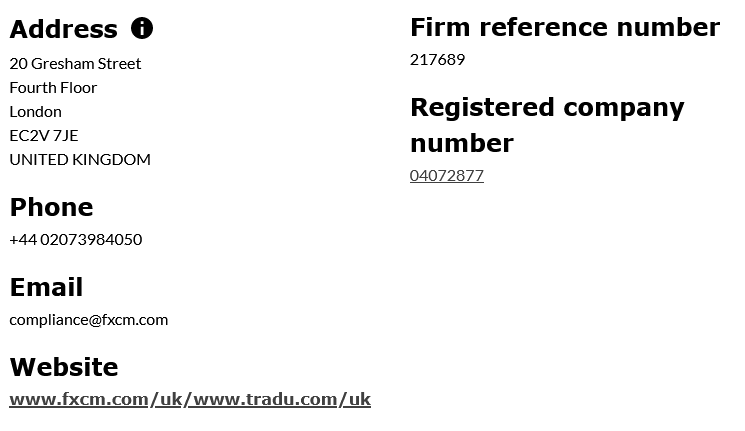
Stratos Markets Limited is authorised and regulated in the United Kingdom by the Financial Conduct Authority (FCA) with registration number 217689.
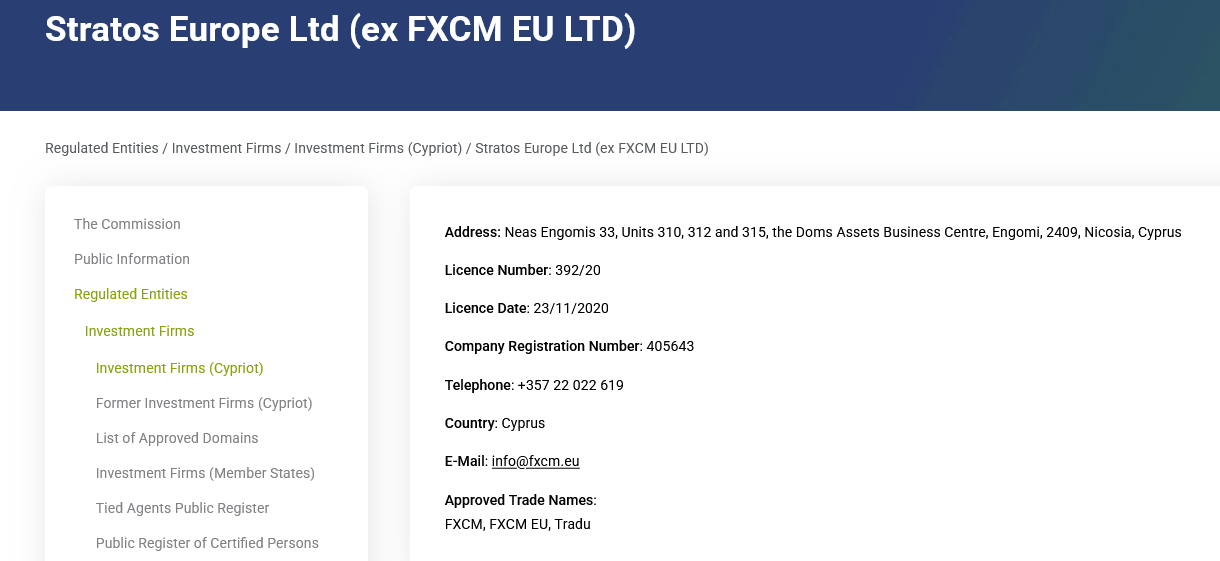
Stratos Europe Limited, previously FXCM EU Ltd is a Cyprus Investment Firm (“CIF”) registered with the Cyprus Department of Registrar of Companies (HE 405643) and authorised and regulated by the Cyprus Securities and Exchange Commission (“CySEC”) under license number 392/20. On the basis of passporting, Tradu is allowed to provide its services cross-border to all European Economic Area states, with the exception of Belgium.
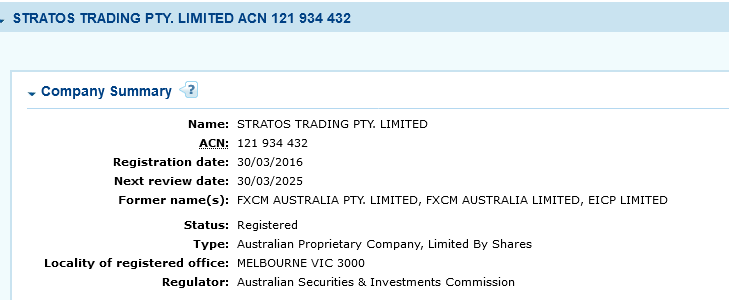
Stratos Trading Pty. Limited (AFSL 309763, ABN 31 121 934 432) is regulated by the Australian Securities and Investments Commission (ASIC).
Stratos South Africa (Pty) Ltd is an authorized Financial Services Provider and is regulated by the Financial Sector Conduct Authority (FSCA) under registration number 46534.

Stratos Light Limited (Registrar number: 515234623), is incorporated in Israel and is an authorised and licensed company, supervised by the Israeli Securities Authority.
Stratos Systems Limited with company registration No. 8430582-1 is a Securities Dealer licensed by the Financial Services Authority Seychelles (license number: SD147).
Stratos Tech Limited is an entity incorporated in Seychelles with company registration No. 8434996-1, providing virtual assets
Stratos Global LLC is incorporated in St Vincent and the Grenadines with company registration No. 1776 LLC 2022.

Many forex and CFD brokers have established their operations in Cyprus, attracted by its robust financial and accounting infrastructure. Consequently, the Cyprus Securities and Exchange Commission (CySEC) has emerged as one of the most influential and competent financial regulators globally. Holding a CySEC license allows companies to extend their services across the European Economic Area.
Within the EU, the regulation of forex and CFD brokers primarily falls under the Markets in Financial Instruments Directive (MiFID II) and the Markets in Financial Instruments Regulation (MiFIR). These brokers are held to strict regulatory standards that include requirements for capital adequacy and participation in investor compensation funds.
The regulations serve key purposes. They promote transparency by mandating that brokers provide clear disclosures about the nature and risks associated with CFD products. Forex brokers are also obliged to submit regular financial reports, undergo audits, and reveal their risk management strategies.
Forex brokers are required to maintain a minimum initial capital ranging from €50,000 to €730,000, depending on their risk exposure and the types of financial instruments they handle. They must actively manage various risks such as market, credit, and operational risks and adjust their capital accordingly. It is imperative for brokers to have adequate liquidity to meet immediate financial obligations and sustain operations in different stress scenarios.
EU regulations also prioritize the protection of individual retail clients. Measures include setting leverage caps to mitigate potential losses due to market volatility. For instance, the maximum leverage for trading major currency pairs is limited to 1:30, with stricter limits for other asset classes.
Additionally, retail traders in the EU are afforded negative balance protection, ensuring they do not lose more money than deposited in their accounts. Licensed brokers participate in Investor Compensation Schemes, which protect investors if a broker becomes insolvent or discontinues trading. These schemes provide coverage up to €20,000 per investor, ensuring that retail investors and small businesses can reclaim a portion of their funds in the event of broker failure.
Clients of Tradu’s Cyprus firm can count on even higher compensation in the unlikely scenario of the broker’s bankruptcy. The company has taken out additional insurance with Lloyd’s of London, which guarantees compensation of up to EUR 1 million per client.
The UK’s financial regulations are stringent, emphasizing consumer protection, market integrity, and financial stability. These regulations are implemented and monitored by the Financial Conduct Authority (FCA), renowned for its rigorous standards and thorough oversight.
Post-Brexit, the UK has gained the flexibility to diverge from EU regulations. Nevertheless, the FCA has opted to maintain a regulatory framework that mirrors the strict standards previously established under EU directives like MiFID II. This continuity ensures the resilience of financial markets and safeguards consumers.
The FCA enforces requirements on capital adequacy and operational transparency that are consistent with those in the EU. UK brokers must segregate client funds in dedicated bank accounts and provide negative balance protection. The leverage limits applied to retail investors in the UK are comparable to those on the Continent.
However, the FCA adopts a stricter position on trading riskier assets, particularly crypto derivatives, which are prohibited in the UK, unlike in the EU. Additionally, the UK enhances investor protection through the Financial Services Compensation Scheme (FSCS), which offers compensation up to £85,000 per person in the event a forex or CFD broker becomes insolvent, thereby providing greater financial security to retail clients.
In Australia, the Australian Securities and Investments Commission (ASIC) oversees the regulation of forex brokers. To legally operate, brokers must secure an Australian Financial Services License (AFSL), which necessitates adherence to stringent financial standards including capital adequacy and compliance with auditing practices. Brokers are required to maintain a minimum capital of 1 million AUD.
Similar to CySEC in Cyprus and the FCA in the UK, ASIC requires that brokers keep client funds in segregated accounts, separate from the brokers’ operational funds. Additionally, brokers are obliged to provide a Product Disclosure Statement (PDS) to potential clients, which details the risks, costs, fees, and specifics of the financial products offered.
In 2021, ASIC implemented new leverage limits for retail clients that align with those set in the EU. The maximum leverage for major currency pairs is now capped at 30:1, decreasing to as low as 2:1 for cryptocurrencies. ASIC’s regulations also include a mandate for negative balance protection, ensuring that traders cannot lose more money than they have in their accounts.
ASIC also enforces a ‘best execution’ policy, requiring brokers to execute orders under the most favorable conditions for their clients. Brokers must implement measures to manage and disclose any potential conflicts of interest. However, it is important to note that unlike in some jurisdictions, ASIC does not require brokers to participate in Investor Compensation Funds, which means retail investors do not have this layer of protection for their funds in the event of a broker’s insolvency.
In South Africa, forex and CFD trading falls under the regulation of the Financial Sector Conduct Authority (FSCA), which was previously known as the Financial Services Board (FSB). The FSCA oversees market conduct regulation and supervision, with a focus on enhancing the efficiency and integrity of financial markets.
While the regulatory framework in South Africa is less stringent than in the EU, Australia, or the US, it still incorporates critical oversight functions. Like its counterparts in other regions, South African forex brokers are required to maintain a minimum capital to ensure their stability and protect their clients against adverse market conditions. The specific minimum capital requirement for forex brokers varies based on the type of license they possess and the services they provide. For instance, Financial Services Providers (FSPs) who manage client funds are required to hold a higher minimum capital. A Category I FSP holding client funds, for example, must maintain at least ZAR 5 million (approximately USD 300,000) in operational capital. There are no limitations on the maximum leverage that can be offered to the retail traders.
Forex and CFD trading in Israel is subject to strict regulations and oversight, primarily enforced by the Israel Securities Authority (ISA). The highest level of forex and CFD broker license requires a start-up capital of 1 million USD.
For residents in countries with less stringent financial regulations, one viable entry into the world of forex trading is through an offshore subsidiary of a well-established and reputable brand. Many leading brokers operate such offshore divisions, allowing them to cater to clients from various countries under a single legal framework.
Seychelles is one of the most prominent offshore hubs for forex brokers. The Seychelles Financial Services Authority (FSA) oversees the licensing, regulation, and supervision of non-bank financial services in the region, including forex trading. The FSA enforces capital adequacy requirements to ensure brokers maintain financial stability and can cope with market fluctuations. The minimum capital requirement for a standard forex broker license under the FSA typically starts at around $50,000 USD, but this may increase based on factors such as trading volume, risk exposure, and other regulatory considerations.
In addition to initial capital requirements, brokers are also required to hold operational capital proportional to their liabilities to ensure they can cover client trades and potential losses adequately. Seychelles-based brokers must implement robust risk management systems to monitor and mitigate the risks associated with their business activities. Furthermore, they are mandated to keep client funds in segregated accounts, separate from their corporate funds, to safeguard client investments.
Tradu also uses two companies in St. Vincent and the Grenadines for its international operations, where there is no regulatory oversight of brokerage activities. But all of the broker’s clients, regardless of which jurisdiction they are in and which group company they are clients of, can rely on negative balance protection and holding their funds in segregated bank accounts.
Financial authorities in more tightly regulated jurisdictions also implement measures to limit the risk of sudden and excessive losses for retail traders. This is mainly done by limiting the maximum leverage with which retail clients can trade forex and CFDs. High leverage is a double-edged sword, which on the one hand can help to realize higher profits, but at the same time magnifies the size of potential losses.
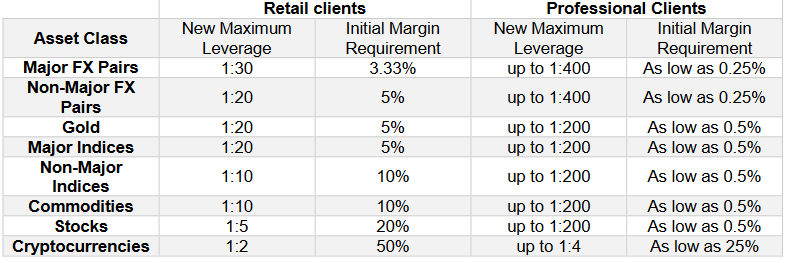
EU regulations limit leverage to 1:30 for major currency pairs, 1:20 for non-major pairs, gold and major indices, 1:10 for other commodities and non-major indices, and 1:2 for cryptocurrencies. The same rules are followed by the UK’s FCA and the ASIC.
Financial regulations in Israel limit leverage for low-risk assets such as currency pairs and gold to 1:100, while for most other CFDs the limit is 1:20. Tradu offers leverage of up to 1:400 to clients of its offshore companies as well as those in South Africa.
Tradu Trading Software
Tradu offers its customers a proprietary trading platform, accessible through a web browser and as a mobile app for Android and iOS devices. This in itself shows two important things. One is that the owners of Tradu are applying their expertise and considerable resources to develop this new brand. The other is that this development will be in the direction of a focused service for investors with specific needs, rather than a broad-spectrum broker suitable for all types of financial traders.
Tradu’s trading platform integrates functionality to fully manage your trading account, including depositing and withdrawing funds, personal portfolio tracking, and a hub for financial markets information and technical analyses. The platform includes separate interfaces for trading listed shares and CFD instruments, which can be switched between with a single click.
However, here we run into a problem regarding this broker. At the time of writing this review, Tradu does not allow the creation of Demo accounts, which sets it apart from standard industry practice. The only way to access the platform is to register a live account, verify your identity and residency, and make a deposit. This makes it difficult not only for us in preparing this review, but also for any new customer who would expect to want to familiarize themselves with the functionalities of this proprietary platform before deciding if it suits their needs and preferences.
There is an interactive preview of the platform on the website, showing the interfaces for trading stocks and CFDs. But this cannot completely replace a Demo account, which would allow full testing of all the features of this platform and this broker without investing real money upfront.
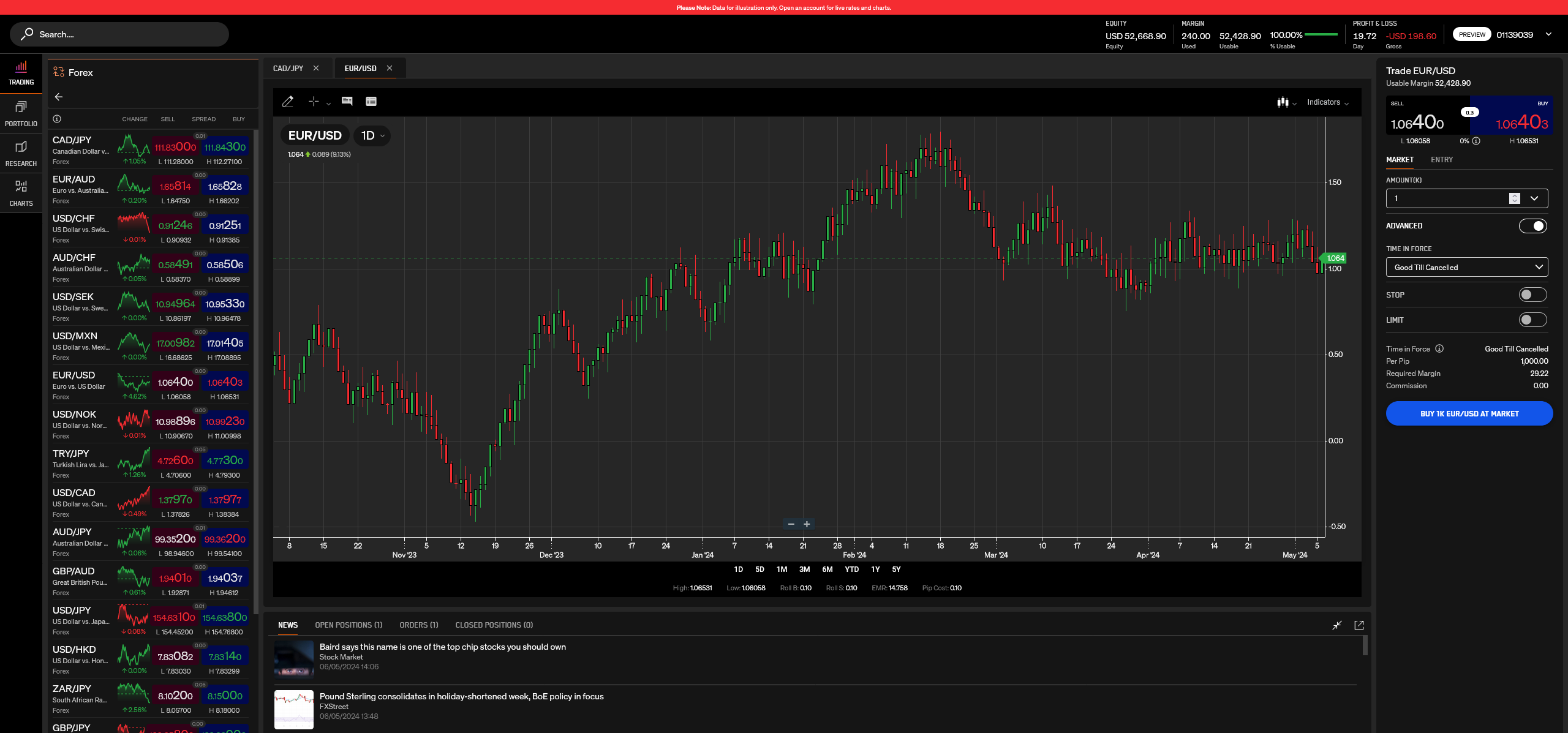
With a disclaimer about these limitations, we will point out that Tradu’s platform is intuitive, functional, and user-friendly. The interface calls for quick search of financial instruments, sorting by various parameters and easy creation of watchlists. The trading screen includes a news feed with up-to-date information on the corporate sector and financial markets, as well as detailed information on the selected stock or the orders, opened and closed positions for CFD instruments.
The CFD trading interface includes an impressive array of charting tools including 106 indicators and 37 drawing tools. The order placement menu includes standard order types such as Stop, Limit and Good Till Canceled/ Good Till date. As far as can be judged from the preview, there is no one-click trading functionality. The CFD trading interface itself allows for quick switching between different instruments, but not for viewing charts for multiple instruments simultaneously. There is a separate “charts” window in the platform where this is possible, but there is no functionality for placing orders.
In addition to interfaces between stock and CFD trading, the platform allows you to open a screen with detailed information about your portfolio, account balance and orders with a single click. This menu allows you to conveniently generate detailed reports on your trading activity.
The platform also includes a dedicated “Research” tab where you will find economic insights, technical analysis and additional tools to identify the best potential stock investments. Tradu has partnered with some of the leading providers of trading signals, technical and economic Insights, and actionable data on stocks – Trading Central and TipRanks.
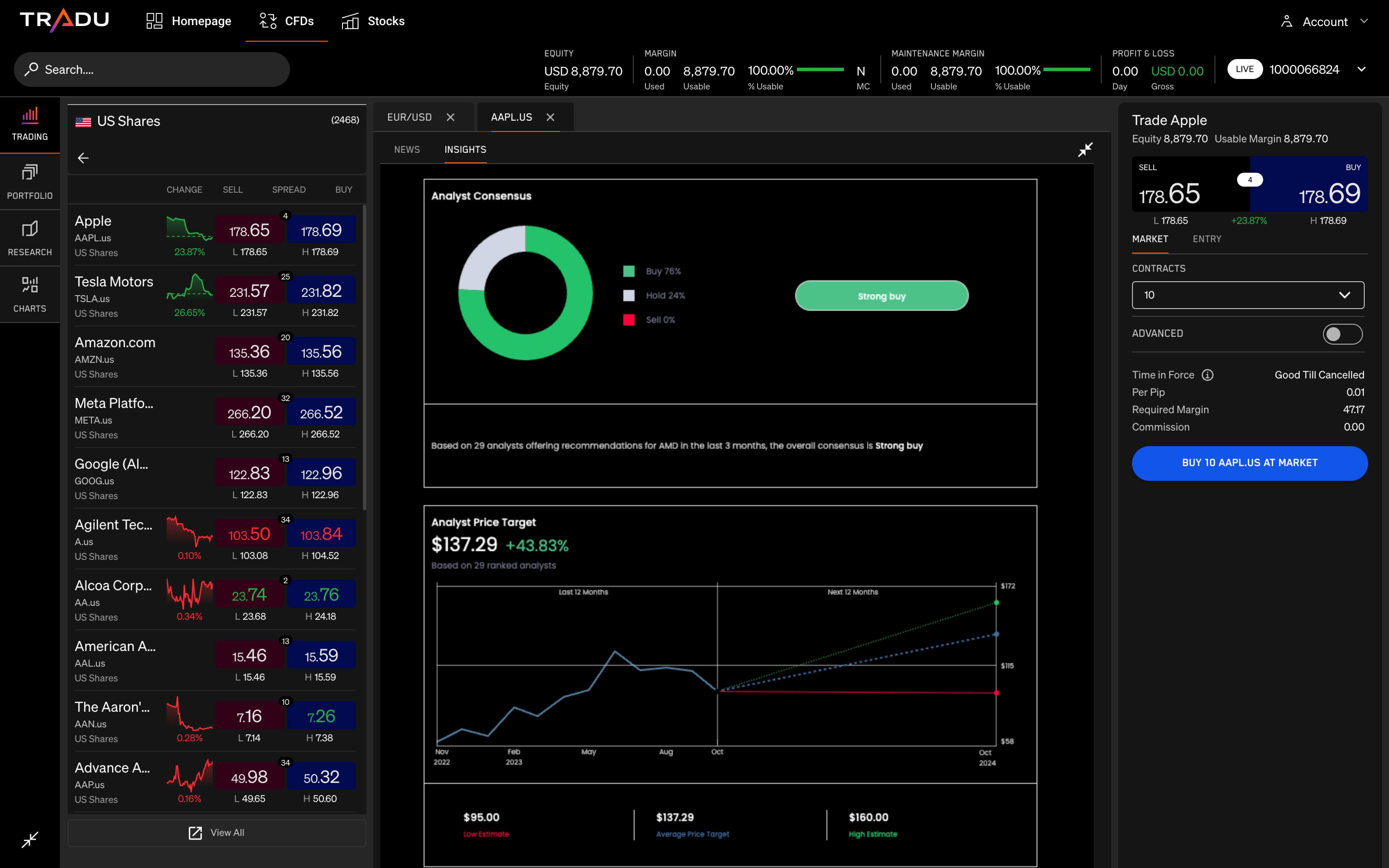
All this could be more than enough for some traders, especially those focused on stock investments. But Tradu’s single platform has some limitations that will make this broker unsuitable for many other investors. Most brokers, including FXCM, offer a choice between different trading platforms, which almost always includes MetaTrader 4 (MT4) and/or MetaTrader 5 (MT5). A growing number of brokers also offer another advanced platform, cTrader, as well as the option to integrate trading accounts with the social trading platform TradingView.
Let us first consider the potential advantages of the model offered by Tradu. Proprietary platforms can be specifically tailored to the needs and preferences of the broker’s clients, potentially offering a more intuitive and user-friendly interface than standard platforms. The broker can integrate unique tools and features that are not available on other platforms like MetaTrader or cTrader. This could include advanced charting tools, integrated news feeds, or innovative risk management systems. Using a proprietary platform means that any technical support, updates, and improvements are handled directly by the broker. This can result in quicker response times to issues and updates that are more closely aligned with user feedback. Since the platform is developed and managed internally, the broker might have better control over security measures. This can potentially result in higher security standards and quicker resolutions to security threats. Without the need to license third-party software, the broker might offer more competitive pricing structures, potentially reducing costs for traders.
But there are good reasons why software like MetaTrader is used by most traders around the world. One of the standout features of MetaTrader is its ability to support automated trading through software programs called Expert Advisors (EAs). EAs can automate trading strategies, allowing for trading to be managed automatically based on predefined conditions. Users can create their own custom indicators and scripts. A huge community of traders has developed around MetaTrader, as well as an ecosystem of third-party tools, further expanding the software’s capacity and functionality. cTrader has similar automated trading features that are lacking in more basic web trading platforms like that of Tradu.
Traders who are accustomed to widely used platforms like MetaTrader or cTrader might find it challenging to adapt to a new, unfamiliar system. This learning curve can deter new users or frustrate existing traders who prefer standard platforms. Proprietary platforms may not be compatible with a wide range of third-party tools and plugins that traders rely on for enhanced functionality, which are often designed for compatibility with platforms like MetaTrader.
Popular platforms benefit from large, global communities that share strategies, tools, and trading bots. A proprietary system might lack such a robust community, limiting access to shared innovations and troubleshooting resources. If the proprietary platform lacks certain features, traders are limited to what the broker provides. This can be particularly restrictive if the platform does not support certain types of orders, indicators, or automated trading strategies. There might be a perceived or real bias in how the platform is managed. For example, the platform might be designed to encourage trading behaviors that are more profitable for the broker but less advantageous for traders.
Choosing a broker with a proprietary trading platform requires weighing these advantages against the disadvantages. Traders should consider their specific needs, trading style, and the importance of platform features before deciding. It might also be beneficial to try demo versions of the platform when available to gauge its suitability before committing to a broker.
Account Types and Trading Conditions
Like its sister brand FXCM, Tradu does not offer different trading account types. This differentiates these brokers from many of the brands in the industry. Most brokers of this class offer their clients a choice between different types of trading accounts, differing mainly in the pricing model. The standard practice is the choice between a standard account type, where the trader pays a floating spread with no additional commissions, and a zero or raw spread account, where the client pays a fixed commission for a certain volume traded, usually one lot. This allows traders to choose the most advantageous model for them depending on the assets they trade and the strategies they apply. Often brokers offer Micro or Cent accounts that are more favorable for low-volume traders or novice investors.
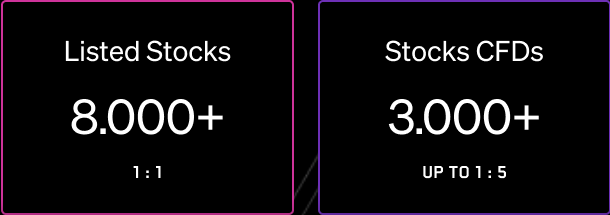
As already stated, although Tradu offers forex and CFD trading, this brand seems to be mostly intended for traders interested in stock investments. These aspects of Tradu’s services are better developed and presented, at least at the time of writing this review. The information available regarding trading in currency pairs of CFD instruments is not comprehensive and detailed. In many cases, the information is copied from the FXCM website. Tradu advertises trading in over 8,000 listed US stocks, over 3,000 stock CFDs, over 40 currency pairs, 15 global indices, CFDs on over commodities, and cryptocurrencies. Given the FCA regulations, the broker cannot offer crypto derivatives trading to UK clients. But at least at the time of writing this review, the Tradu website lacks a complete list of tradable instruments.
There is also no information on average spreads for the CFD instruments, and due to the lack of Demo Accounts there is no way for a client to see the live spreads before making a deposit. According to the information on the website, the minimum deposit is 50 currency units, which presumably means EUR, GBP or USD. But apart from the lack of clarity on the base currencies, it appears that this information is not up to date. According to the website support, Tradu does not require a specific minimum deposit amount. This is actually a good thing, especially for beginners and casual traders. But on the one hand, it shows that one cannot fully rely on the information available on the website, and on the other hand, it is not enough to compensate for the lack of a Demo Account.
Tradu promises low and competitive spreads, but experience from the FXCM shows that this may not be true. The more established brand does provide very competitive spreads, but only for customers with Active Trader status, which requires high trading volume. However, FXCM’s underlying spreads were not the most competitive last time we checked.
Tradu does not offer alternative pricing models where the trader pays a raw spread, which may even be zero, but pays a fixed commission per lot traded. The model where the trader pays only the spread is standard for the industry but is not suitable for all traders. With the accounts where traders pay only the spread, those spreads are usually higher than those in raw spread accounts, because this is the primary way the broker earns revenue on these accounts. Traders don’t have to calculate additional commission costs, because the cost of the trade is clear from the spread alone. These accounts are generally more suitable for beginner traders, less frequent traders, or those who prefer simplicity in cost calculations. But fixed commission trading accounts can be more profitable for high volume and high frequency traders.
Investing in shares through Tradu seems quite favorable – the broker charges a fee of only EUR/USD 0.01 per share, with a minimum commission of EUR/USD 1 per share. You can buy fractional shares as well as whole shares.
The maximum leverage with which retail clients can trade CFDs varies by jurisdiction. Because leveraged trading creates the risk of surprise and excessive losses, most financial regulators impose limits on maximum levels. Broker clients served by companies in Cyprus, the United Kingdom and Australia are subject to identical restrictions in this regard. They can trade major currency pairs with leverage up to 1:30, non-major currency pairs, gold and major indices with leverage up to 1:20, commodities other than gold and non-major equity indices with leverage up to 1:10, individual equities and other reference values with leverage up to 1:5 and cryptocurrency with leverage up to 1:2.
According to current EU and UK regulations, the client is entitled to apply for Professional Client status. Brokers are allowed to offer higher levels of leverage to traders with this status, but these clients forgo most retail client guarantees and protections, including negative balance protection and compensation from the Investor Compensation Fund.
To obtain this status, the client must meet very high requirements. The client must provide a reasonable assurance that is capable of making his own investment decisions and understanding the risks involved in the nature of the transactions or services being offered. A professional client must meet two of the following criteria:
- To have carried out transactions, in significant size, on the relevant market at an average frequency of 10 per quarter over the previous four quarters;
- To have a financial instrument portfolio, defined as including cash deposits and
financial instruments, exceeds EUR 500,000;
- and/or to have worked in the financial sector for at least one year in a Professional position, which requires knowledge of the products to be traded/services envisaged.
Tradu offers clients with professional status maximum leverage up to 1:400 when trading major, minor and exotic currency pairs, leverage up to 1:200 when trading all metals and other commodities, indices and stocks, and leverage up to 1:4 when trading cryptocurrencies.
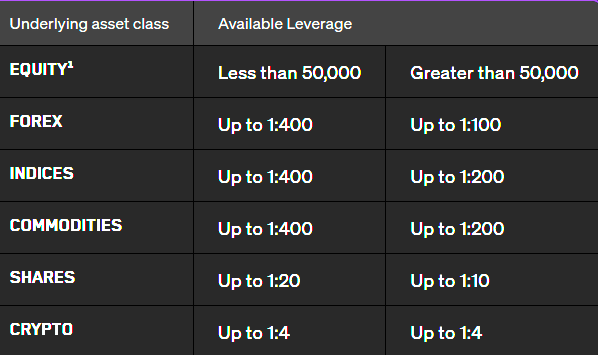
Customers of the broker outside of highly regulated jurisdictions who are customers of the group’s offshore companies are not subject to such maximum leverage limits. Without needing professional status, they can trade with leverage up to 1:400 when trading currency pairs, indices and commodities, up to 1:20 when trading equities and up to 1:4 when trading cryptocurrencies. However, these levels only apply if the client’s equity does not exceed 50,000 USD. For higher exposures, Tradu reduces the maximum leverage to 1:100 for forex, 1:200 for indices and commodities, 1:10 for equities and 1:4 for cryptocurrencies.
Registering for a Tradu account is a straightforward and relatively quick process that can be done through either the website or the mobile app. The process includes mandatory identity verification. With most other brokers, this step can be completed additionally. You will be prompted to provide your verification documents, such as a copy of your passport and utility bill, which can be uploaded during your application process.
The first step in registering an account is to select the assets you want to trade. When registering in the EU or UK, you can indicate whether or not you want to trade equities in addition to CFDs. If you want to invest in listed shares, you may be asked for additional documents in the verification process. When registering an account with the broker’s offshore companies, you can choose whether you want to trade in cryptocurrencies.
Another difference in the registration process is that if you are an EEA or UK resident, you have to complete a quiz that establishes your knowledge of trading financial instruments. The next step is unified for all the broker’s clients and involves completing an application including fairly detailed personal information, contact information, financial information and trading history. The next steps are verifying identity and residency and adding funds to your trading wallet.
If the account has had no trading activity for 12 months, the broker will charge an administrative fee of 50 currency units of the account’s base currency.
Deposit and Withdrawal Methods
Tradu offers a relatively basic package of payment methods through which you can deposit and withdraw funds. This is where we again run into the problem that Tradu’s website seems unfinished and lacks sufficient detailed and clear information. The information in the FAQ section appears to have been transferred directly from the FXCM website, which we are not convinced fully corresponds to the actual Tradu terms and conditions. For example, it states that there is a minimum deposit of 50 currency units when using credit cards and e-wallets and no minimum deposit when using wire transfer. But as stated, according to the information given to us directly by the website support, there is no specific minimum deposit regardless of payment method.
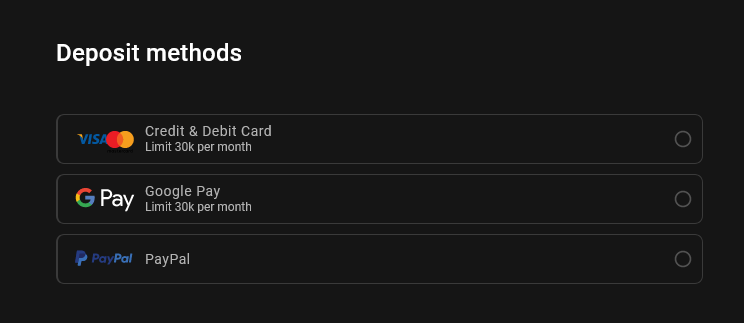
According to the website, the available payment methods are credit/debit card, wire transfer, bank transfer in local currency in UK and Euro countries, Skrill, Neteller, PayPal, Apple Pay and Google Pay. But in our account, registered through the company in Cyprus, there is an option to deposit only via credit/debit card, PayPal and Google Pay.
Tradu states that it does not charge deposit fees, but there are sometimes withdrawal fees when using wire transfer. There are no fees for SEPA withdrawals in Euros, but for German customers non-SEPA payments are charged 15 EUR/GBP for transfers inside the country and 30 EUR /GBP for transfers outside Germany. For transfers within the USD, the withdrawal fee in these cases is 25 USD and 40 USD respectively.
The deposit and withdrawal process can be done either through the client portal on the website or through the mobile app. Funds will typically be credited into the corresponding trading account within 1 business day.
The broker sets a maximum monthly deposit limit. According to the FAQ section this limit is 20 000 currency units, but the deposit menu indicates a limit of 30 000 currency units for some payment methods.
| Deposit method | Minimum | Maximum | Processing time | Fee |
| Bank | Unspecified | Unspecified | up to 3 days | Free |
| Credit/Debit Card | Unspecified | Unspecified | up to 24 hours | Free |
| PayPal | Unspecified | Unspecified | Instant | Free |
| Skrill | Unspecified | Unspecified | Instant | Free |
| Neteller | Unspecified | Unspecified | Instant | Free |
| Google Pay | Unspecified | Unspecified | Instant | Free |
| Apple Pay | Unspecified | Unspecified | Instant | Free |
| Withdrawal method | Minimum | Maximum | Processing time | Fee |
| Bank | Unspecified | Unspecified | up to 3 days | $40 |
| Credit/Debit Card | Unspecified | Unspecified | up to 24 hours | Free |
| PayPal | Unspecified | Unspecified | up to 24 hours | Free |
| Skrill | Unspecified | Unspecified | up to 24 hours | Free |
| Neteller | Unspecified | Unspecified | up to 24 hours | Free |
| Google Pay | Unspecified | Unspecified | up to 24 hours | Free |
| Apple Pay | Unspecified | Unspecified | up to 24 hours | Free |
Bonuses and Promotions
Financial regulators in jurisdictions such as the EU, UK and Australia prohibit brokers from offering bonuses, promotions and prize games. The reasons for this are manifold, including the risk that bonuses may induce riskier and more reckless trading behavior. In addition, bonuses are often linked to terms that make it difficult or restrict the ability to withdraw funds from a trading account. Offshore brokers are not restricted by these prohibitions in highly regulated jurisdictions. Often the offshore subsidiaries of large brokers also offer bonuses and promotions in order to compete in emerging markets.
At the time of writing this review, Tradu does not offer any bonuses. But to the extent that FXCM offers modest welcome and deposit bonuses through its offshore companies, we can confidently assume that Tradu will also have similar offerings in the future.
Tools and Education
One of the more significant differences between FXCM and Tradu is that the newer brand does not offer any educational materials. This is one area where there will likely be improvement going forward, but at the time of writing this review, Tradu does not offer guides, articles, video tutorials, webinars, e-books and other materials aimed at people just getting into forex and CFD trading.
You will also not find supporting tools such as a forex calculator on the Tradu website. But Tradu’s trading platform has built-in information and analysis resources and tools that are designed to help you make informed investment decisions. These tools are also made fully available through the mobile app.
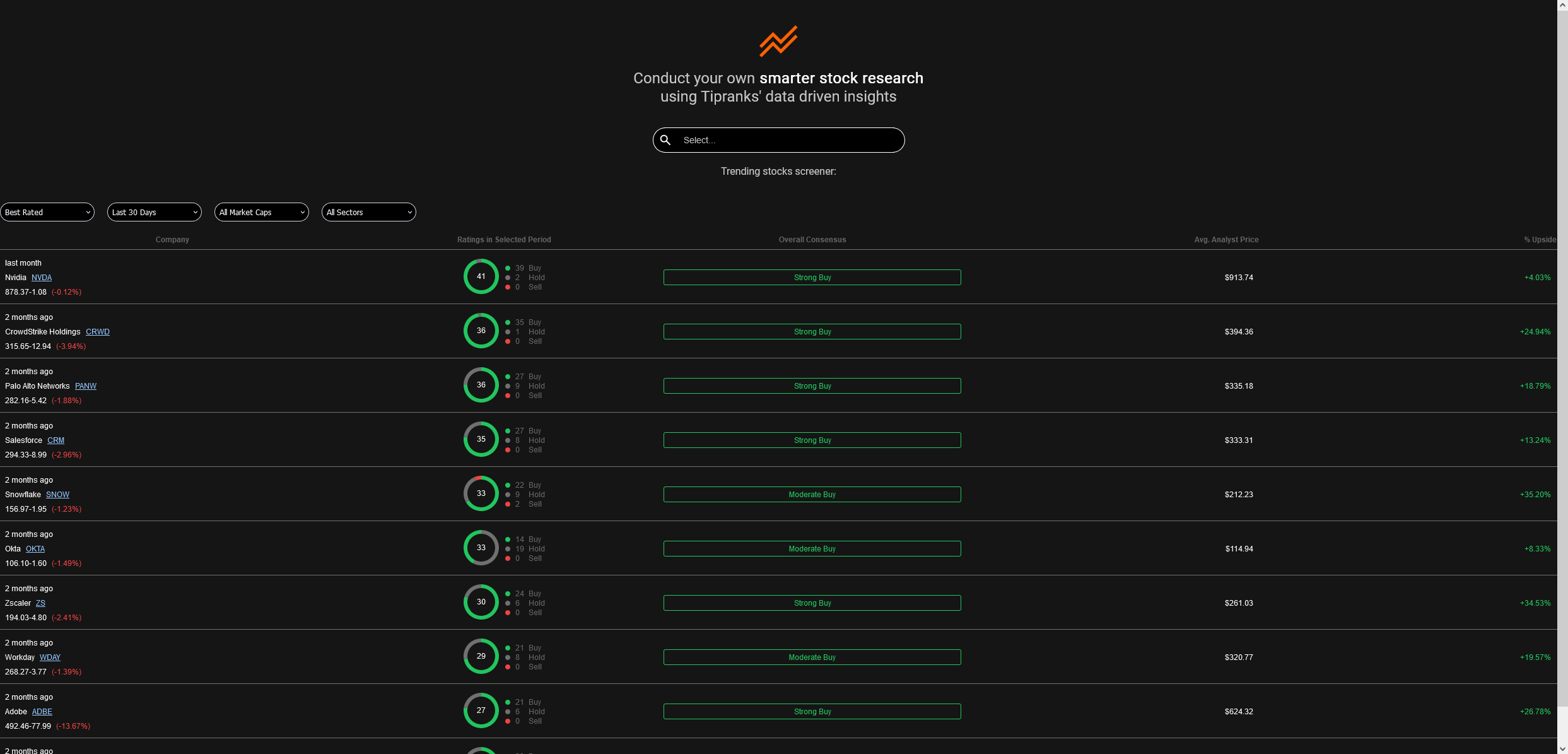
TipRanks is a tool designed for investors in corporate stocks. This is a stock research tool that saves you time and headspace by providing useful data for numerous popular stocks. TipRanks includes Stock Screener that allows you to to sort stocks based on a consensus of analysts’ reports. The additional Analyst Research tool can be used to find detailed analysts’ research for every stock.
Using the integrated dxFeed tool you can get up-to-date information about the stocks that are the most relevant at any given time. On the Tradu stocks platform, you can see in real time, the stocks with the biggest percentage change (rising or falling), as well as the stocks with the biggest trading volume.
CFD traders for their part can take advantage of Trading Central, which provides an Economic Calendar and Technical Analyzer. Using real-time, actionable macro-economic data, the Trading Central Economic Calendar enables you to spot potential market-moving events. It enables you to filter to hone in on economic events pertaining to your regions of interest, track each event in real-time, or take a peek at how similar historical events played out on the charts. The Technical Analyzer tool is the most popular technical signals feed for cash and derivative traders. It offers the unique combination of senior analyst expertise and automated algorithms. The price targets, trend lines, key levels and concise scenarios that are published enable you to check out potential opportunities on a range of leveraged assets.
Notes from the author:
Tradu is a new brand that has a very solid foundation because it is a project of the owners of one of the most established and respected brokers, FXCM. Tradu shares with its sister brand a global reach and an impressive set of regulatory licenses. Like the larger brand, Tradu also boasts its own trading platform and mobile app.
That said, Tradu is still very much a work in progress, and it shows. Progress is undoubtedly being made - even just in the short period of writing this review there have been some improvements to the website. But the website still lacks a multilingual interface, lacks educational materials, some of the information has been transferred directly from FXCM's website, and may not actually apply to Tradu. The lack of MetaTrader platforms will undoubtedly be a dealbreaker for some traders. The biggest lack is of Demo accounts, which admittedly are quite limited at FXCM as well. Tradu also shares some of the drawbacks of its sister brand, such as the lack of different account types for trading with different pricing models, as well as the lack of up-to-date and detailed information on average and current spreads on the websites.
Tradu is obviously focused mainly on investments in listed shares, and in this aspect the broker's services are the most developed. If you are interested in such investments, Tradu provides ample reasons to give it a try. But in terms of CDF trading, this broker still has a lot to improve, and is currently not convincing enough. As stated, improvements can be expected in the future, but one can also expect the same service characteristics that exist with FXCM, but with the additional limitation of only one trading platform.


