




Tradu Registration & Verification Guide
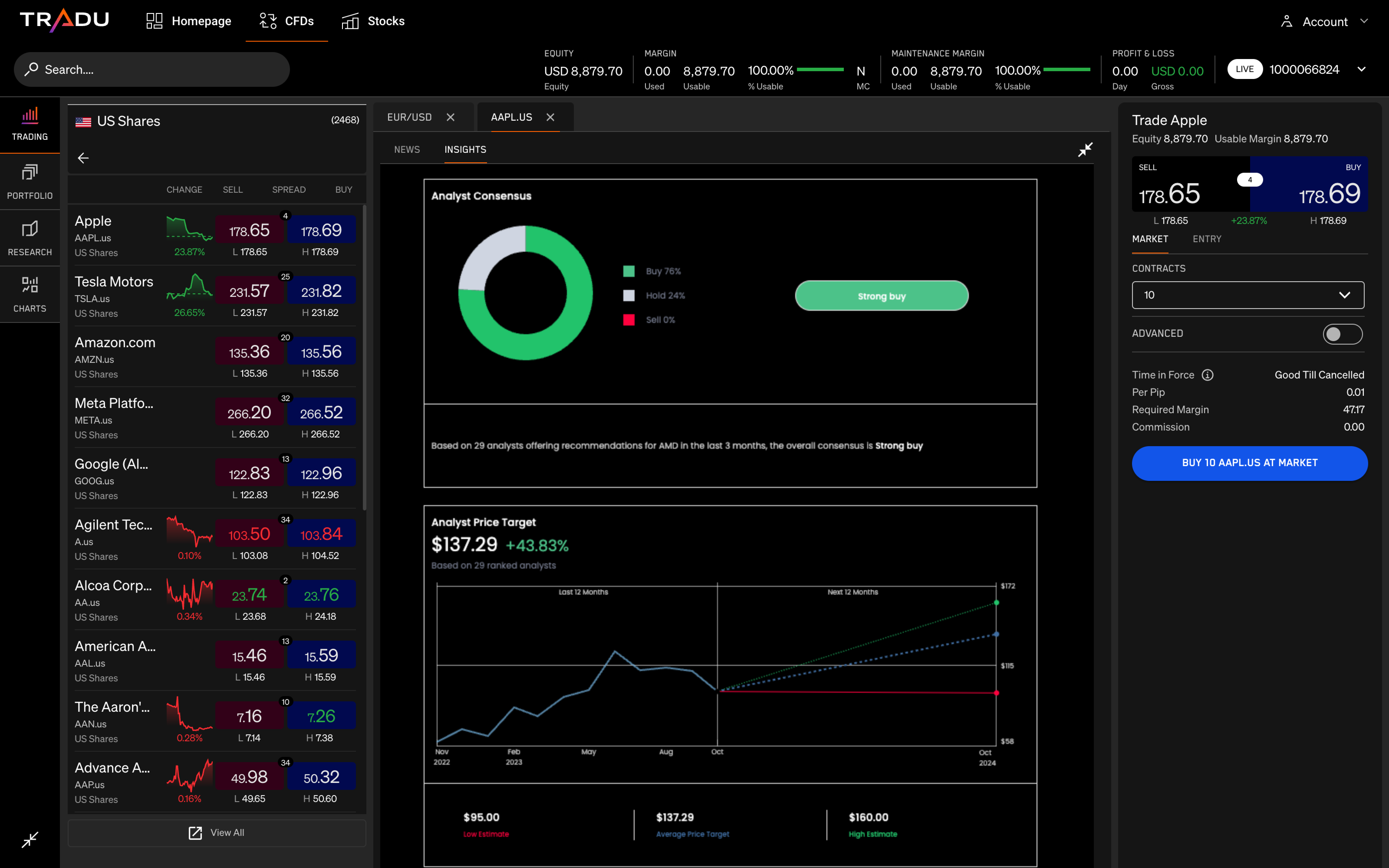
Tradu is a sister brand of the leading broker FXCM, which is why it has a very good regulatory and financial foundation. Thanks to this, Tradu has been able to establish itself in the market in a relatively short time, with FXCM even transferring clients from some jurisdictions to Tradu. However, Tradu has some peculiarities that also affect the trading account registration process. This broker offers only one type of trading account and only one trading platform, and a proprietary one at that, rather than industry-standard software like MetaTrader. Tradu also doesn’t offer Demo accounts – the only way to get to know Tradu’s platform is through the previews of its two variants, for CFD trading and for listed share investments.
The Tradu account registration process is largely standardised for all broker clients, but traders working with CySEC and UK FCA regulated firms generally need to provide more information when registering.
To register a new account with Tradu, click one of the Start Trading buttons on the website, or download the broker’s mobile app. The first step requires you to provide an email, which will also be used as your username, create a password and select a country of residence. In this screen, there is an option to consent to the broker sending you marketing materials.
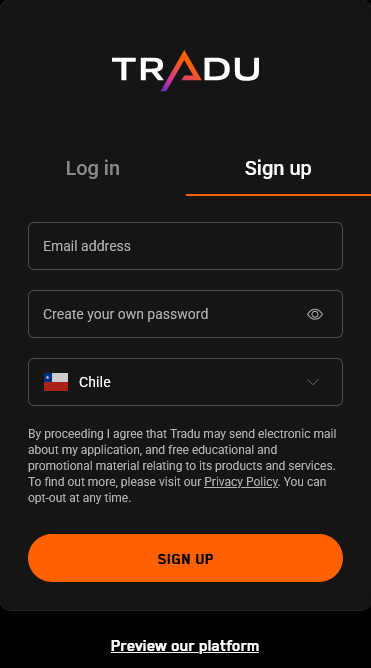
Once you click Sign Up your account is now created and you are automatically logged into Tradu’s dashboard. But you cannot access any features until you complete the verification process. At this stage, you can only check out the previews of the two versions of the trading platform, which are both available on the main website without the need for registration.
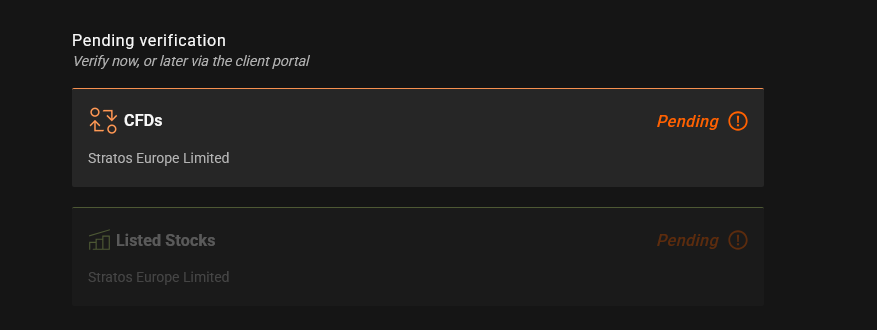
When you proceed with the registration and verification process, you must first choose whether you will trade CFDs only or listed stocks as well.
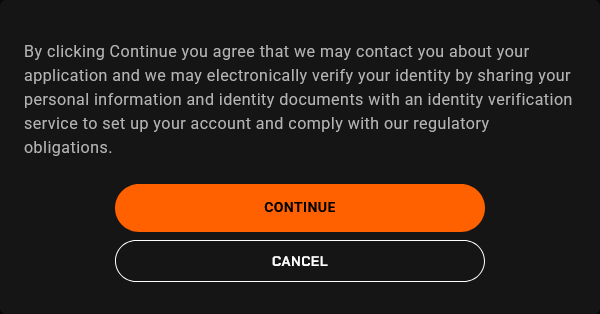
The next screen asks for your consent for the broker to contact you about your application or to share your details with an identity verification service.
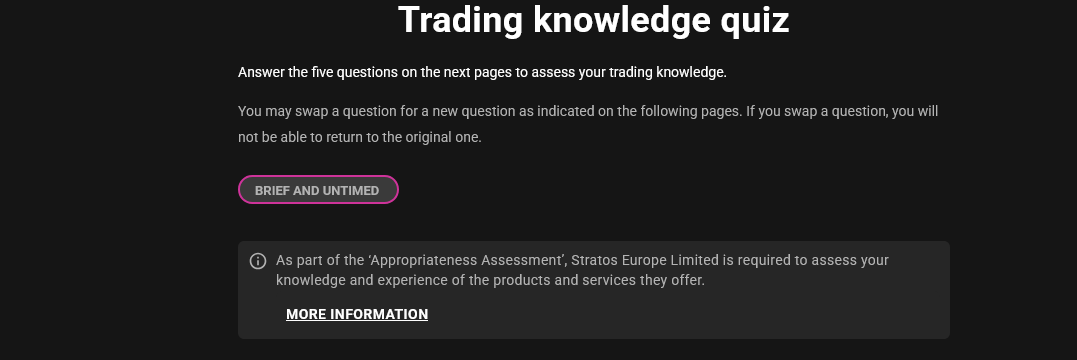
Clients entering into a contract with Cyprus or UK based companies must complete a test to demonstrate that they are aware of the basic concepts of trading such as margin, leverage, order types, the nature of CFD instruments and more. The broker allows you to swap questions, but if you do you cannot go back to the original question. We have not seen a similar option in this type of appropriateness assessments at other brokers.
If you pass the test, you move on to the next step, which requires you to provide personal details – name, date of birth, gender, as well as information about countries of residence and citizenship, if different. Standard questions include whether you are a politically exposed person or have a relationship with such a person.
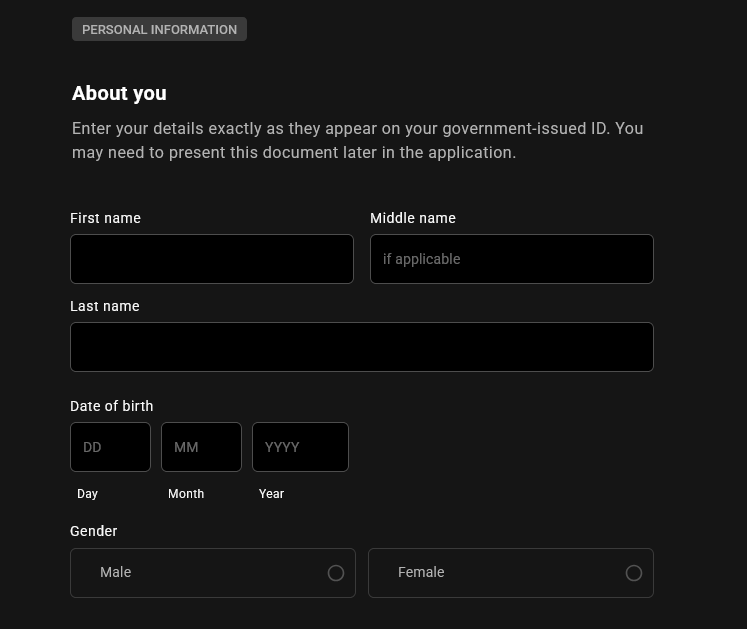
The personal information section also includes a field in which to enter your identity document number, as the required document varies by jurisdiction. You can skip providing this information at this stage.
You also need to provide an accurate address and telephone number. The registration process itself does not require email or phone number verification, but it is important that you provide current methods of communication with the broker. Like FXCM, Tradu’s customer support is quite pro-active. You will be contacted by an account manager via email and phone immediately after signing up.
Setting up a trading account with a licensed broker also requires you to provide financial information. Tradu even requires an employer’s name and address, though you can opt not to give this information initially. Standard questions include those about annual income, total amount of wealth, source of wealth, and investment intentions – what amounts you plan to deposit and for what purpose you are trading (long-term or short-term investments, hedging, etc.).
You will also need to provide information on which countries you pay taxes in and what your taxation numbers are.
Although you have already passed a test, you must provide information about your knowledge and experience of trading financial instruments, including how often you trade and what instruments you trade. You must then indicate your agreement to the broker’s Terms and Conditions and other binding documentation.
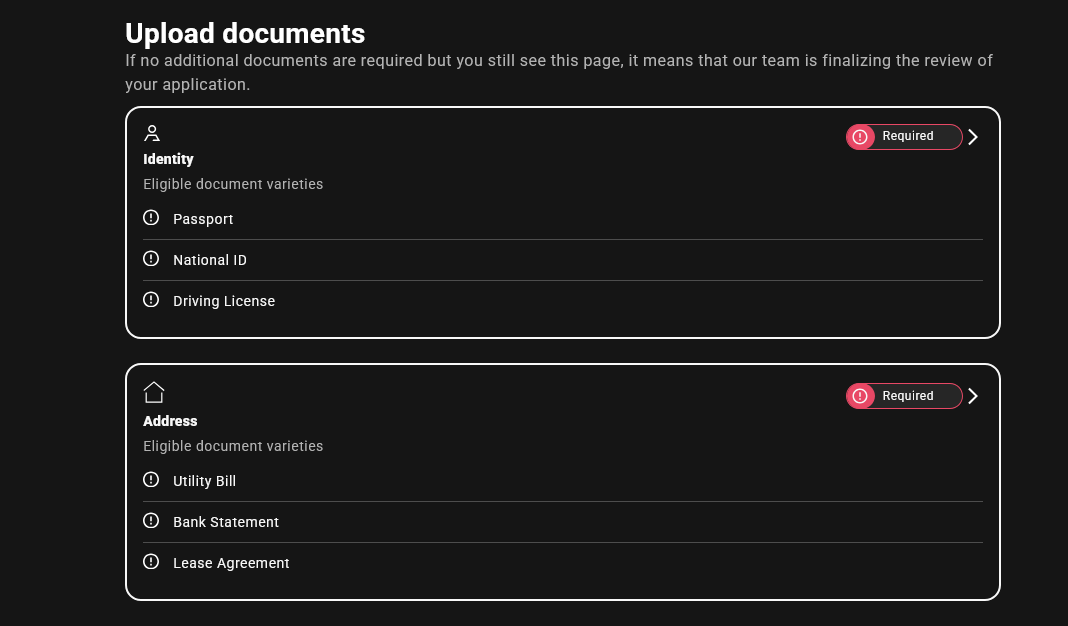
You are required to verify your identity and residency in order to deposit funds and start trading. For this purpose, you must provide a clear image of a photo ID such as national ID, passport or driver’s license. A utility bill, bank statement or lease agreement may serve as proof of address.


