





XS.com Review
XS.com, or just XS, is a broker that started its history in Australia, then moved its headquarters to Cyprus, and in recent years has demonstrated an ambition to expand into Asian and African markets. As XS Group’s European business uses a different brand and the Australian business does not serve retail clients, this review will focus on XS.com’s global business, run by a company in the Seychelles.
The broker offers a wide range of tradable instruments with favorable spreads and commissions. The choice of trading account types is also significant and includes Cent and Micro accounts as well as a choice of pricing model. The broker offers quite high dynamic leverage, with the client getting a choice between equity-based and lot-based schemes to determine the maximum levels. XS.com also offers a choice between the MT4 and MT5 trading platforms, which further expands the options for implementing a variety of trading strategies.
The relatively limited number of payment methods may be a drawback for some traders. The broker also does not offer copy trading, but on the other hand offers PAMM accounts. XS.com also offers fairly limited educational and research resources. Overall, however, XS.com seems like a broker worth paying attention to.
XS.com Licenses and Regulation
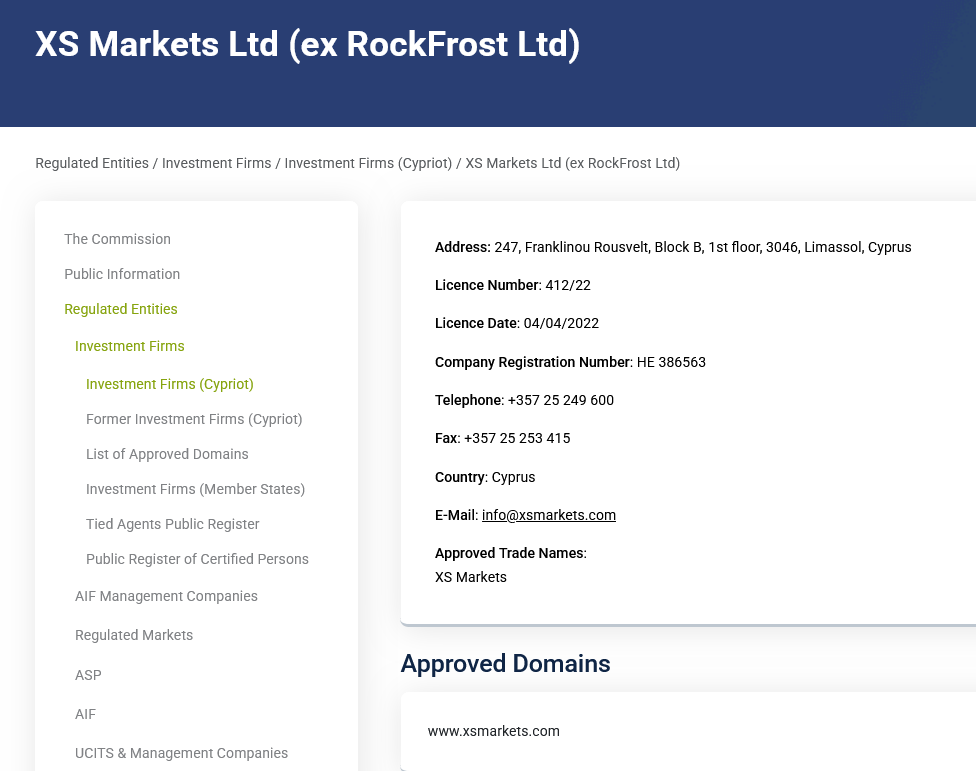
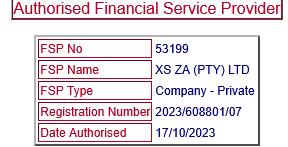
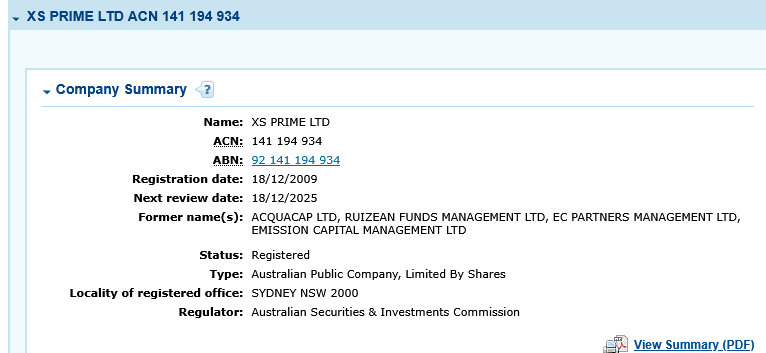
XS Group is a multinational fintech and financial services provider consisting of regulated companies in a large number of jurisdictions, including XS Ltd, regulated by the Financial Services Authority of Seychelles (FSA), XS Prime Ltd, regulated by the Australian Securities and Investments Commission (ASIC), XS Markets Ltd, regulated by the Cyprus Securities and Exchange Commission (CySEC), XS Finance Ltd, regulated by the Labuan Financial Services Authority (LFSA), and XS ZA (Pty) Ltd, regulated by South African Financial Sector Conduct Authority (FSCA).
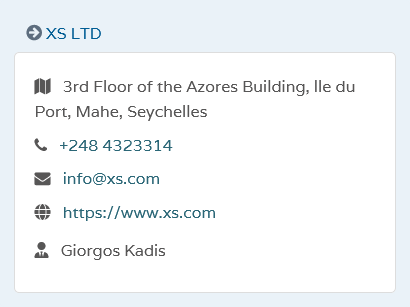
You should note that as a retail client of XS.com broker, you are contracting with the first mentioned company based in Seychelles. The Cypriot company serves retail customers through a separate domain and uses a different brand, XS Markets which is the subject of a separate review.
For individuals residing in countries outside of strictly regulated jurisdictions, one of the most accessible pathways into forex trading is through offshore subsidiaries of established and reputable brokerage firms. Many leading brokers maintain such offshore entities, enabling them to serve clients across multiple countries under a single legal framework.
These offshore jurisdictions have gained popularity among brokers due to a combination of regulatory, tax, and operational benefits. Unlike the more rigid environments found in the United States, the European Union, or Japan, offshore regions typically impose fewer regulatory constraints. This flexibility allows brokers to provide services—such as higher leverage—that may be limited or outright prohibited in their home countries, offering a broader range of options for traders seeking more dynamic trading conditions.
Among the most prominent offshore hubs for forex trading is Seychelles, which has built a solid reputation in this sector. Oversight is provided by the Seychelles Financial Services Authority (FSA), the body responsible for licensing and supervising non-bank financial entities, including forex brokers. The FSA’s regulatory framework includes capital adequacy standards designed to ensure financial stability and resilience against market fluctuations. A typical forex broker license in Seychelles requires a minimum capital of approximately $50,000 USD, though this base amount can increase based on factors such as trading volume and risk exposure. In addition to the initial capital, brokers are also expected to maintain sufficient operational capital to meet their ongoing obligations, including client trades and potential losses.
To safeguard client interests, Seychelles-based brokers must implement robust risk management systems and maintain client funds in segregated accounts, separate from corporate assets. These measures are designed to offer a degree of financial protection and transparency.
While Seychelles continues to develop its financial regulatory landscape in line with global standards, it’s important for traders to recognize that its regulatory regime differs significantly from those in more established jurisdictions. The comparatively lower capital requirements and greater operational flexibility may attract brokers to the region, but traders should conduct thorough due diligence to understand how these differences might impact the safety and oversight of their investments.
XS.com states that it provides all its customers with negative balance protection, although the offshore company has no regulatory obligation to do so.
When deciding whether to become a client of the offshore division of a forex broker that is part of a group licensed by multiple financial regulators—including those in Seychelles, South Africa, Australia, Cyprus, and the Labuan International Business and Financial Centre—a trader must carefully evaluate both the strengths of the broker’s overall structure and the specific risks tied to the regulatory status of the offshore entity. The presence of licenses from respected regulators such as the Australian Securities and Investments Commission (ASIC) and the Cyprus Securities and Exchange Commission (CySEC) adds a layer of credibility to the group, indicating that parts of the organization comply with strict financial standards, including capital adequacy, risk management, segregation of client funds, and investor protection schemes. These regulatory environments impose clear frameworks that protect clients from misconduct and offer dispute resolution options if issues arise.
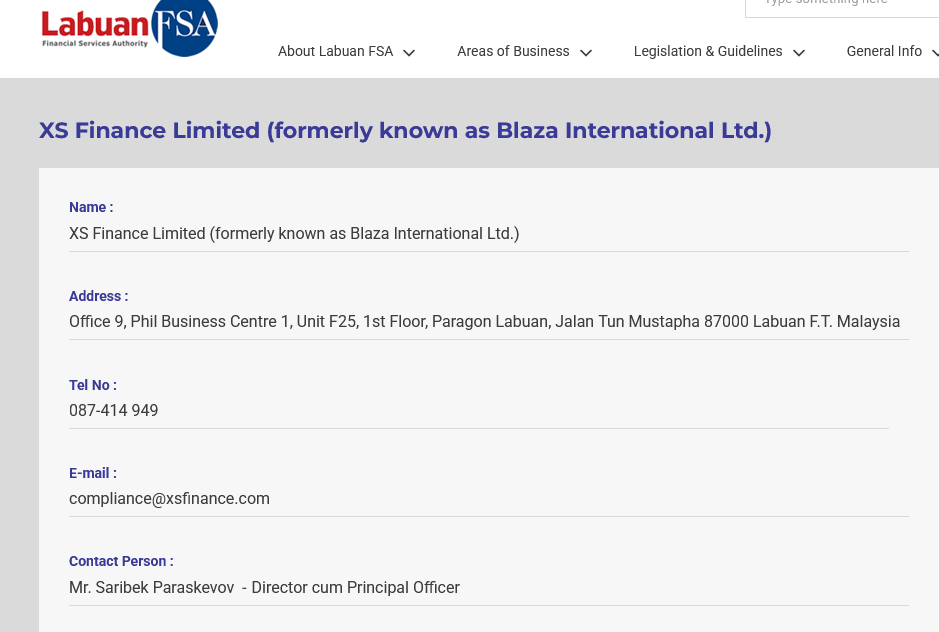
However, it is critical to understand that trading under the offshore entity—such as the branch registered in Seychelles or Labuan—means the trader is not afforded the same level of protection. Offshore regulators generally operate under more relaxed rules, and while some, like the Financial Services Authority (FSA) of Seychelles or the Labuan Financial Services Authority, require brokers to register and meet minimal operational standards, they do not enforce the same depth of oversight or client protection mechanisms found in tier-one jurisdictions. This means that in the event of broker insolvency or misconduct, traders working with the offshore entity may have little legal recourse, no access to compensation schemes, and limited assurance of enforcement action from the regulator.
Despite these risks, offshore divisions often offer more attractive trading conditions than their heavily regulated counterparts. These may include significantly higher leverage, lower minimum deposits, wider acceptance of promotional offers, and fewer restrictions on trading strategies such as hedging or scalping. These features appeal to experienced traders who understand the risks and are willing to accept less regulatory oversight in exchange for greater flexibility and lower trading costs. Additionally, if the broker voluntarily applies group-wide policies—such as negative balance protection, segregated accounts, or consistent customer service across all jurisdictions—this can offer some additional reassurance, though it is not a legal obligation.
The decision to trade through the offshore division of such a broker should be based on the trader’s personal risk tolerance, experience, and understanding of how regulatory differences affect fund safety and dispute resolution. It is also important to verify whether the offshore entity shares technical infrastructure, trading platforms, and client service teams with the group’s more strictly regulated divisions, as this can indicate a higher standard of internal governance. Traders should also carefully review the broker’s terms and conditions, particularly those related to fund withdrawals, execution policy, and dispute handling.
Ultimately, while being part of a well-regulated group lends credibility to an offshore division, the legal protections and safeguards still vary significantly depending on the jurisdiction. Traders who choose to work with an offshore branch should do so with full awareness of these differences and should avoid depositing more funds than they are prepared to risk. For those who value flexibility, low costs, and access to high leverage, an offshore account with a well-backed broker can be a viable option, provided it is approached with appropriate due diligence and risk management.
XS.com Trading Software
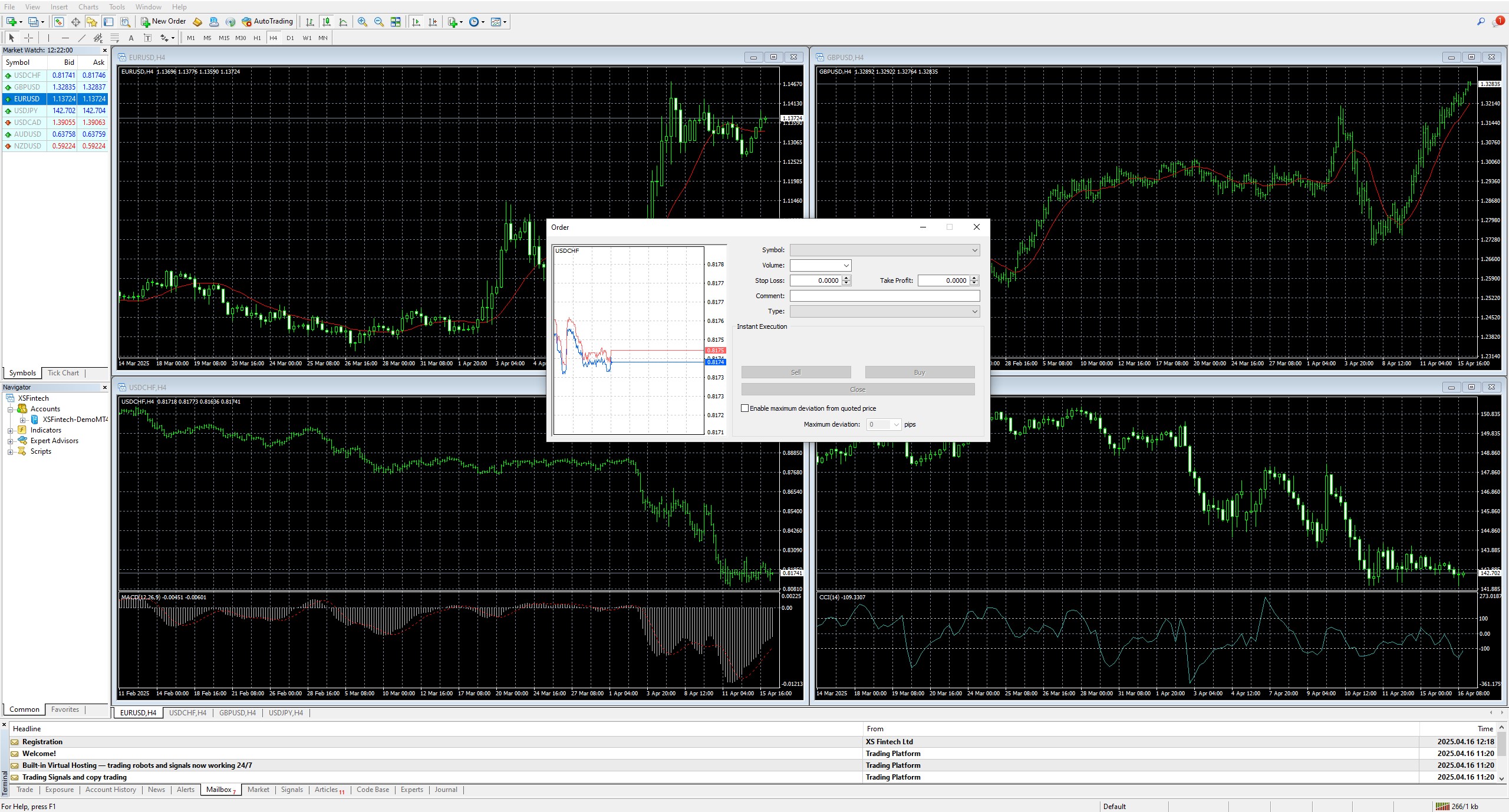
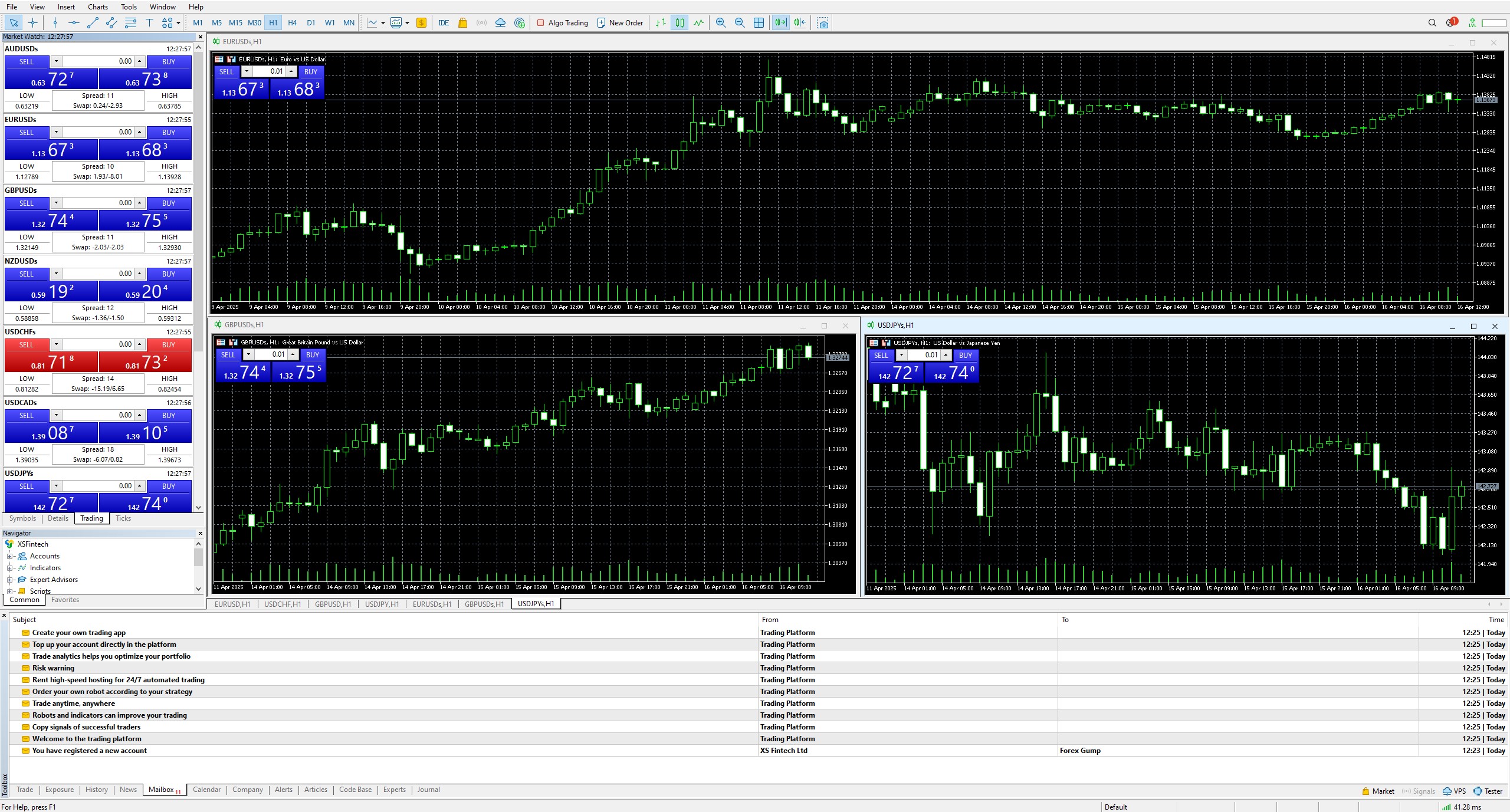
This broker offers a classic combination of trading software – the MT4 and MT5 platforms. MetaTrader 4 (MT4) and MetaTrader 5 (MT5) are two of the most widely used trading platforms in the forex and CFD industry, developed by MetaQuotes Software. These platforms have become the industry standard due to their robust technical capabilities, user-friendly interface, advanced charting tools, and extensive support for automated trading strategies. MT4, launched in 2005, quickly became the preferred choice for forex traders due to its stability, efficiency, and vast customization options. Although MT5 was introduced in 2010 with additional features and expanded asset support, many traders continue to favor MT4 due to its simplicity, extensive broker adoption, and compatibility with a well-established ecosystem of third-party tools, including custom indicators and Expert Advisors (EAs).
Technical Features of MT4 and MT5
One of the key strengths of MT4 and MT5 is their adaptability to different trading styles. Both platforms provide advanced charting tools, multiple order types, and algorithmic trading capabilities, making them suitable for manual traders, scalpers, swing traders, and those using automated strategies. Their widespread adoption by brokers ensures that traders have access to a broad range of liquidity providers, reducing the risk of slippage and execution delays.
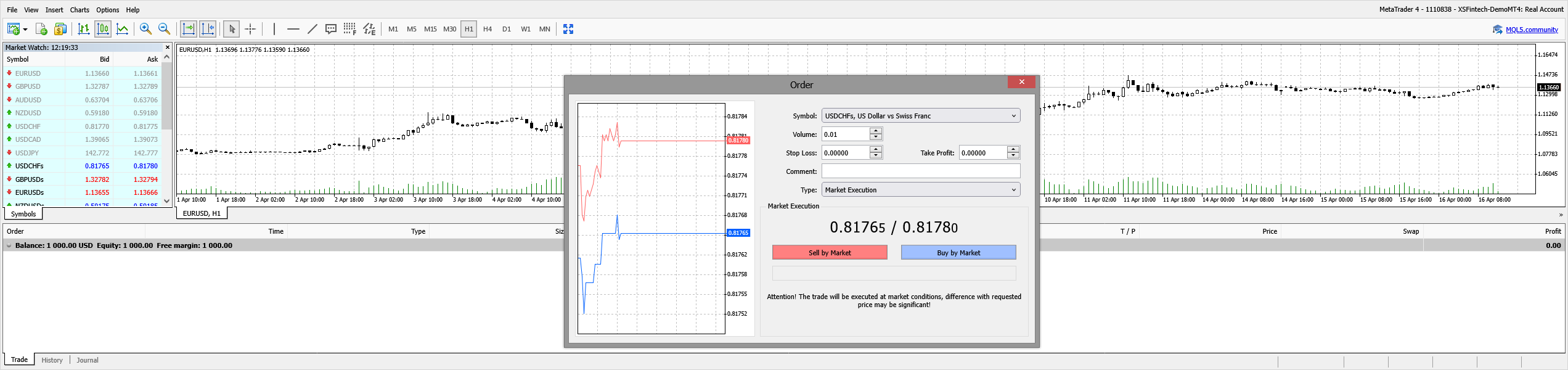
While MT5 was designed as an advanced multi-asset platform, supporting forex, CFDs, stocks, commodities, and futures, its adoption among forex traders has been relatively slow. The key technical differences between the two platforms include faster order execution speeds, additional order types, expanded timeframes, an integrated economic calendar, and market depth (DOM) functionality in MT5. Unlike MT4, which was originally built only for hedging, MT5 supports both hedging and netting, making it more compliant with certain regulatory requirements, particularly in stock and futures trading.
Programming and Automation
A critical distinction between the two platforms is the programming language used for developing custom indicators and automated trading strategies. MT4 operates on MQL4, a simpler, procedural programming language, while MT5 runs on MQL5, which is object-oriented and allows for more complex and faster executions of scripts and Expert Advisors. Despite MQL5’s technical superiority, many traders still prefer MT4 because MQL4 and MQL5 are not backward compatible, meaning that EAs and custom indicators built for MT4 cannot be used on MT5 without significant modifications. This has made many traders reluctant to switch platforms, as they would have to rebuild or repurchase their trading tools.
Order Execution and Market Depth
MT5 provides more advanced order execution capabilities compared to MT4. It supports six types of pending orders instead of four, allowing traders to execute Buy Stop Limit and Sell Stop Limit orders in addition to the traditional Buy/Sell Limit and Buy/Sell Stop orders available in MT4. The Market Depth (DOM) feature in MT5 also gives traders access to real-time bid/ask price levels, making it a more suitable choice for institutional and high-volume traders.
Charting and Timeframes
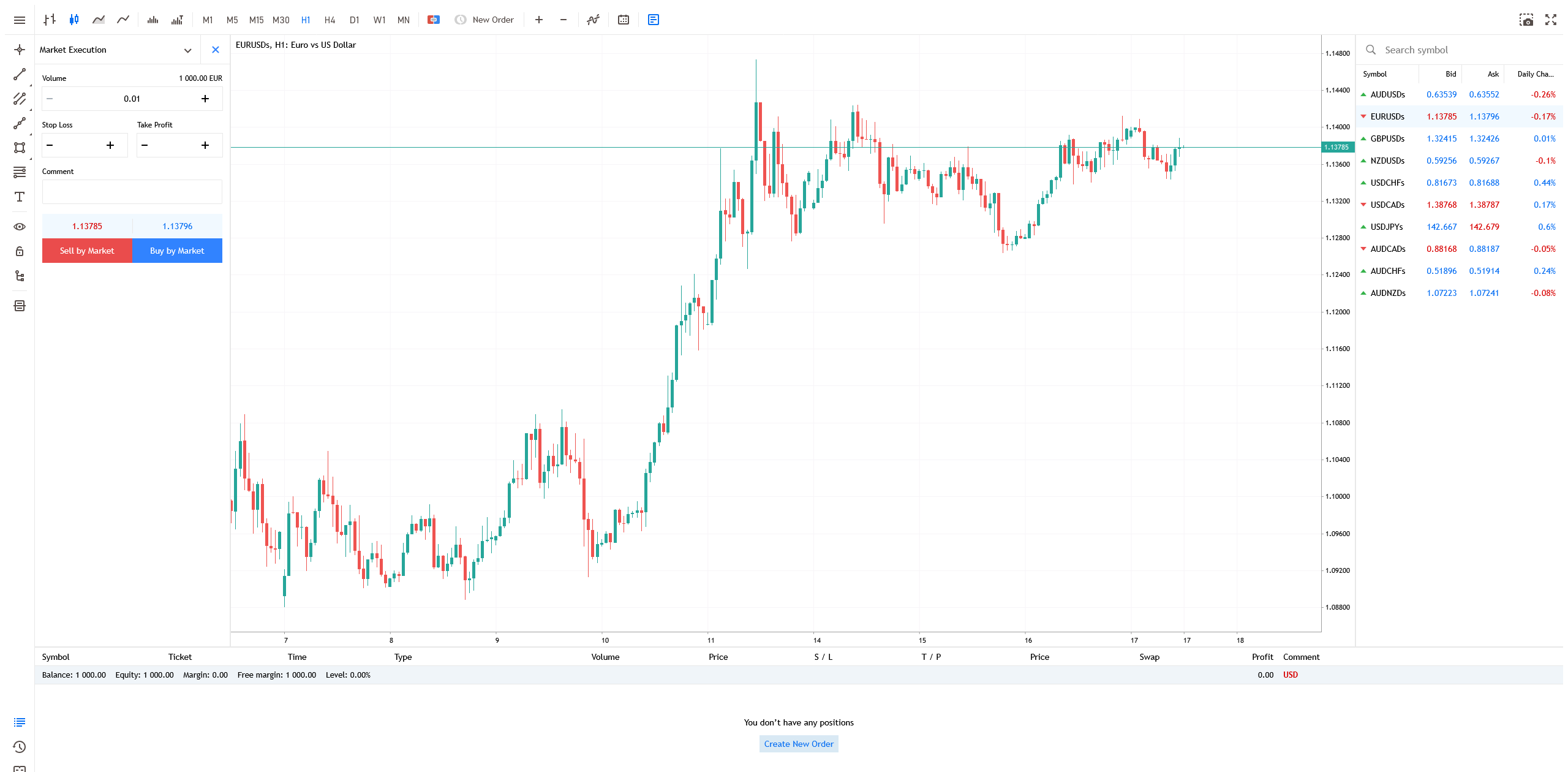
MT5 offers more extensive charting options compared to MT4. While MT4 supports nine timeframes, MT5 expands this to 21 different timeframes, providing traders with more granular control over market analysis. Additionally, MT5 features more built-in indicators and graphical objects, making it a superior platform for traders who rely heavily on technical analysis.
Desktop, Web, and Mobile Versions
Both MT4 and MT5 are available on desktop, web, and mobile, but the features vary across versions. The desktop version of each platform provides the full trading experience, including custom indicators, automated trading (EAs), and advanced charting tools. The web-based versions allow traders to execute trades and analyze basic market movements without requiring software installation, but they lack full support for EAs and custom scripts. The mobile versions of MT4 and MT5, available for iOS and Android, offer basic trading functionalities such as market execution, pending orders, and limited charting tools. However, mobile trading does not support automated trading (EAs), making it more useful for trade monitoring rather than developing or testing strategies.
Why Many Traders Still Prefer MT4
Despite the technical advancements of MT5, many forex traders continue to favor MT4 due to its familiarity, stability, and massive ecosystem of third-party tools. Since many brokers still support MT4 and offer optimized trading conditions, traders often see little incentive to switch. Additionally, MT4’s lower system requirements make it an attractive choice for traders with older hardware or unstable internet connections, as it consumes fewer system resources compared to MT5.
Ultimately, MT5 is a more advanced platform, offering better execution speeds, enhanced order types, and expanded asset support, making it ideal for multi-asset traders and those who require deep market analysis tools. However, MT4 remains the preferred choice for many retail forex traders due to its simplicity, stability, and established ecosystem of trading tools and strategies. The decision between the two platforms depends on a trader’s specific needs, programming preferences, and the availability of compatible trading tools.
Full use of the automated trading capabilities of the MetaTrader 4 and 5 platforms require the use of a Virtual Private Server (VPS). This allows EA scripts to function 24/7 without being dependent on the trader’s hardware and internet connection. Some brokers offer their own VPS services or assume the subscription fees of clients who meet certain deposit capital and/or trading volume requirements. However, there is no information on the XS.com website regarding VPS services.
XS.com Account types and trading conditions
XS.com on the one hand makes a good impression with the very wide variety of trading account types and tradable instruments, as well as the competitive cost of trading the original dynamic leverage options. But on the other hand it can be a bit overwhelming. It is necessary to familiarize yourself with the information on the website in order to be able to navigate the choice of options you have when creating Demo or Live trading accounts. As will be explained later in this review, this broker offers two different forms of dynamic leverage. Therefore, when configuring a trading account, you have two separate options for each account type.
XS.com offers a total of nine account types, divided into three categories – Preferred, Professional and Partners. In this review we will describe in detail the accounts from the first two categories, which are intended for direct retail clients of the broker. The three account types in the last category, Classic, Extra and Plus, are described as “suitable for partners who prefer to receive high rebates in exchange for the value-added services they provide to their clients”. They are associated with higher spreads and commissions. Ordinary registration allows you to create demo versions of accounts for partners.
The account types in the Preferred category are Standard, Cent and Micro. These account types are designed for beginners and casual traders. The broker does not require a specific minimum deposit for these accounts, making them very accessible in theory. But it should be noted that in practice there are minimums between 15 and 300 USD depending on the payment method used.
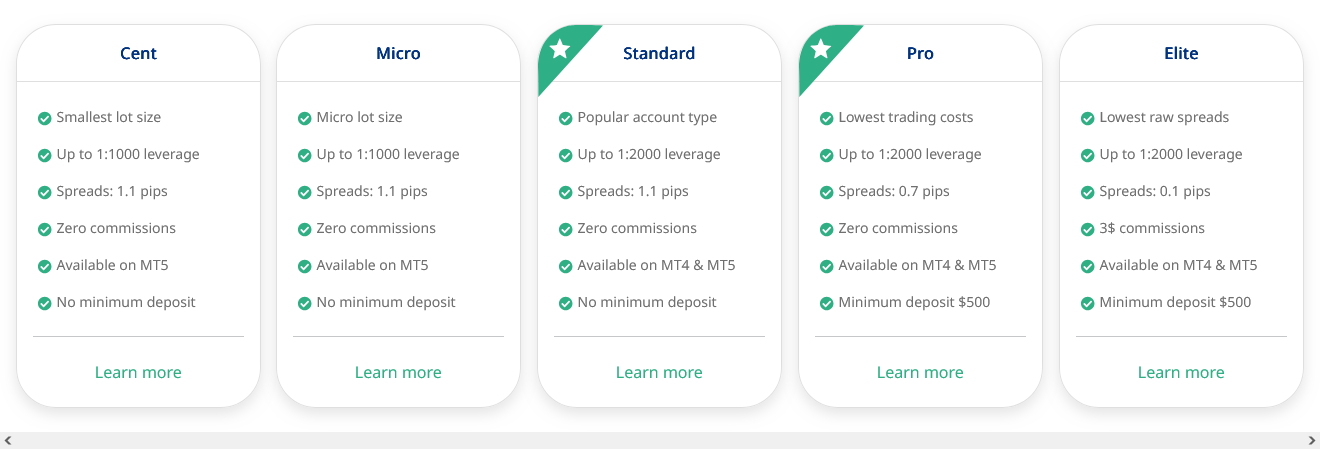
All three account types in this category have a pricing model where the customer pays a floating spread with no additional commission. According to the website, the average spread is 1.1 pips for EUR/USD. When using a Standard Demo account we saw a spread of 1 pip for this currency pair.
There is no option to create Demo Cent and Micro accounts. The Cent account can only be used with the MT5 platform, while most other account types can be combined with both available trading platforms. The Cent account can also trade only currencies and metals. The Micro account can trade currencies, metals, energy and indices, while the Standard account allows trading in several other asset classes in addition to the above – cryptocurrencies, futures and stocks. But it should be noted that when using the Standard Demo Account, the trading platforms lacked the symbols from the last two categories.
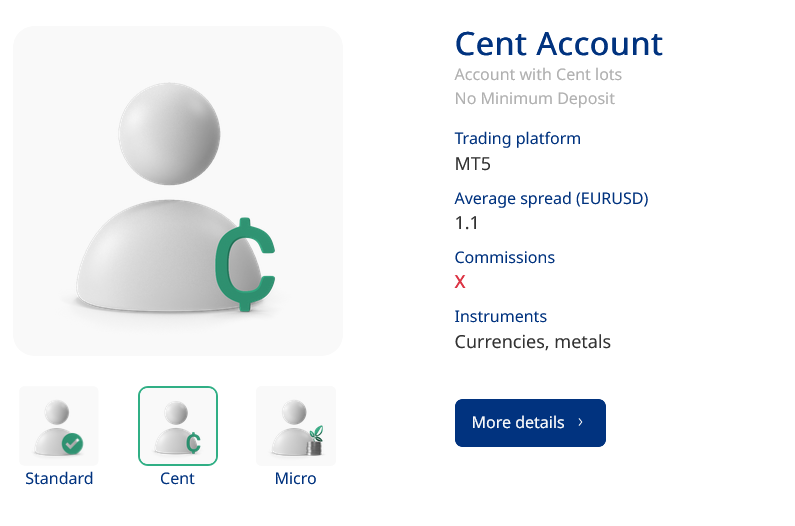
The tradable instruments available with all account types may also vary depending on the trading platform used. The available base currencies for all account types offered by the broker are USD, EUR and JPY.
Cent and Micro accounts are specialized types of trading accounts offered by some forex brokers, designed primarily to accommodate beginner traders or those who wish to trade with smaller amounts of capital while still experiencing real-market conditions. The main characteristic that sets these accounts apart from standard accounts is the way trading volume is measured and displayed. In a Cent account, the balance and trade sizes are denominated in cents instead of dollars or euros. For example, a deposit of $10 would appear as 1,000 cents in the trading account. Similarly, trade volumes are calculated in cent lots, where one cent lot equals 0.01 of a standard lot, or 1,000 units of the base currency. Micro accounts operate on a slightly larger scale, typically offering trade sizes starting at 0.01 of a standard lot (1,000 units), but still much smaller than the minimum volume in standard accounts.
These accounts are particularly useful for several purposes. For beginners, Cent and Micro accounts provide a low-risk entry point into live trading. Unlike demo accounts, which use virtual money and lack the emotional aspect of risk, these accounts allow traders to put real money on the line, which is essential for developing discipline, emotional control, and practical risk management skills. Because the capital involved is small, new traders can make mistakes and learn from them without suffering significant financial losses. This makes the transition from a demo environment to live trading smoother and more educational.
For more experienced traders, Cent and Micro accounts are valuable for testing new strategies, expert advisors (EAs), or trading conditions under real-market circumstances. Because the accounts reflect actual price movements, slippage, spread changes, and execution speed, they provide more accurate feedback than demo environments. Algorithmic traders often use these accounts to fine-tune or validate automated systems on a small scale before deploying them on larger, standard accounts with greater capital.
Additionally, these accounts can serve as a practical solution for traders in regions with lower income levels or limited access to foreign currency. They make forex trading more accessible by lowering the financial barriers to entry, often requiring deposits as low as $5 or $10. Some brokers also offer Cent or Micro accounts with flexible leverage and simplified margin requirements, further enhancing their appeal to retail traders seeking greater control over their risk exposure.
In summary, Cent and Micro accounts offer a cost-effective and educational way to engage in live forex trading. They are ideally suited for beginners seeking to build confidence, for experienced traders testing systems in real conditions, and for anyone who wants to participate in the market with a minimal financial commitment. Despite the small trade sizes, these accounts operate in the same real-time market environment as standard accounts, offering genuine exposure to trading dynamics and the opportunity to grow in skill and confidence over time.
The Professional account category also includes three separate types – Pro, Elite and VIP. Pro and Elite accounts require a minimum deposit of 500 USD. This minimum deposit is somewhat justified by the trading price offered by XS.com, but not by the tradable instruments available. The VIP account is an offer for traders who have deposited over 100,000 USD. This account type is also available only with the MT5 platform.
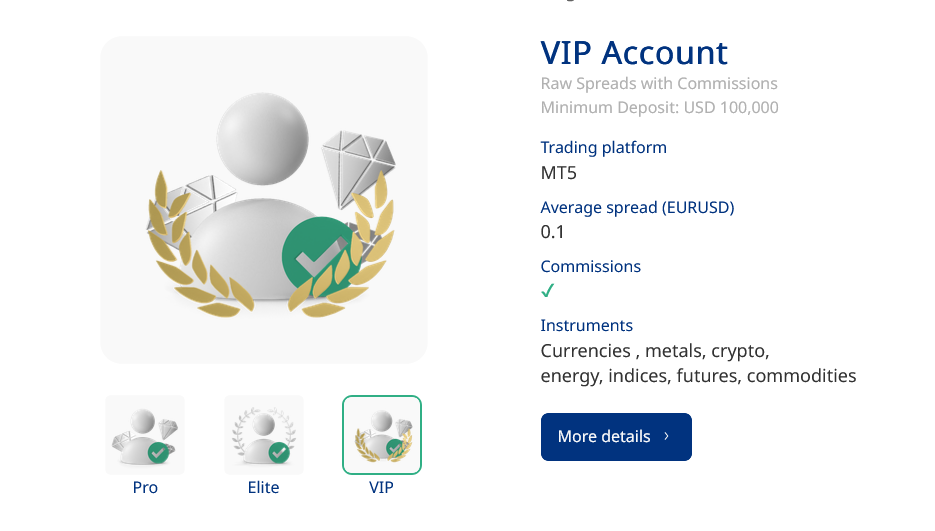
According to the account descriptions, the Pro Account allows trading in the same account classes as the Standard Account. However, the Elite account does not offer stock trading, and the VIP account is the only one that offers commodity trading beyond metals and energy. In this respect XS.com compares unfavourably with many of its competitors.
The situation looks better in terms of spreads and commissions. The Pro Account has the same pricing model as the Standard Account, but with a much lower floating spread – 0.7 pips. The Elite account offers a raw spread, which may even be zero, but the client pays a fixed commission of 3 USD per side, or 6 USD per lot traded. The VIP account is also commission-based, but the commission in question is listed as “variable” and depends on the individual offers to the VIP client.
When choosing between a Standard account with a floating spread and a Raw spread account with a fixed commission, a forex trader must consider several factors, including trading costs, execution quality, market conditions, and their trading strategy. Each account type has its own advantages and disadvantages, making them more or less suitable depending on the trader’s objectives and style.
A Standard account operates with a floating spread, meaning that the trading cost is included within the spread, and traders do not pay a separate commission per trade. This pricing model is simple and convenient, as traders only need to account for the spread when calculating their costs. One of the main advantages of a Standard account is that it is easier to manage, with no commission fees or additional cost calculations required. It is particularly suitable for beginners and long-term traders who are not highly sensitive to slight variations in spreads. However, the major drawback is that spreads fluctuate depending on market liquidity and volatility, which can lead to higher costs during news events, low liquidity periods, or major market movements. This unpredictability makes Standard accounts less suitable for traders who require precise execution, such as scalpers and day traders.
A Raw spread account, also known as an ECN (Electronic Communication Network) or Zero Spread account, provides traders with direct market access, offering raw interbank spreads that can be as low as 0.0 pips. Instead of marking up the spread, brokers charge a fixed commission per lot traded. This pricing model is advantageous for traders who require tighter spreads and lower overall costs, especially during high-liquidity periods. It is particularly suitable for scalpers, day traders, and algorithmic traders, as they rely on minimal trading costs and fast execution. Additionally, Raw spread accounts typically offer better trade execution with lower slippage, since orders are processed directly through liquidity providers rather than a dealing desk. However, the downside of this account type is that traders must factor in commission costs, which can be higher for small trade sizes or those who do not trade frequently. Additionally, Raw spread accounts often require a higher minimum deposit, making them less accessible to beginner traders.
Ultimately, the choice between a Standard account and a Raw spread account depends on the trader’s experience, strategy, and cost sensitivity. Casual traders, swing traders, and beginners may find a Standard account more suitable due to its simplicity and ease of use, while scalpers, day traders, and high-volume traders benefit more from a Raw spread account, where lower spreads and superior execution quality reduce trading costs over time. Traders should carefully evaluate their trading frequency, expected market conditions, and overall cost efficiency before selecting the most appropriate account type.
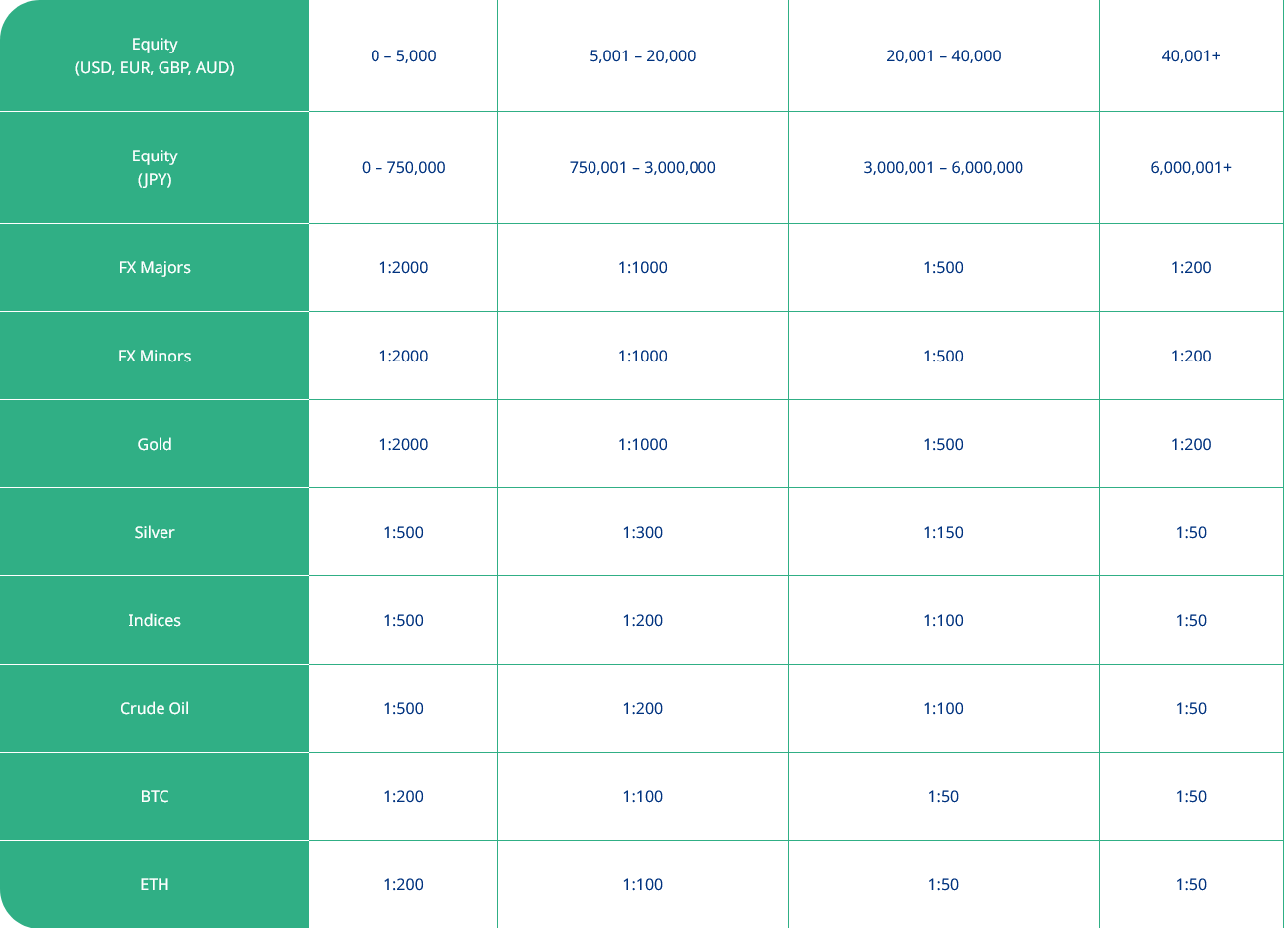
XS allows trading with very high leverage – up to 1:1000 for Cent and Micro accounts and up to 1:2000 for other account types. By comparison, the Cyprus-based sister brand can offer retail customers leverage of up to 1:30 because of regulatory restrictions. In both cases, these levels apply to trading major forex pairs, while there are lower maximums for other asset classes. XS.com allows trading with leverage up to 1:2,000 and for minor currency pairs and gold, while most other assets have a maximum leverage of 1:500. When trading cryptocurrencies, the maximum is 1:200, compared to 1:2 in the EU and other highly regulated jurisdictions.
However, the maximum leverage you can trade with depends not only on the asset class traded, but also on the exposures of your account. Like most offshore brokers offering such high leverage, XS.com applies dynamic leverage schemes. Brokers usually limit the maximum leverage either according to the equity of the trading account or the volume of open positions. XS.com is somewhat unique in that it provides a choice between the two. When setting up a trading account, you have a choice between two variations of each account type – LT (Lot Based) and EQ (Equity Based).
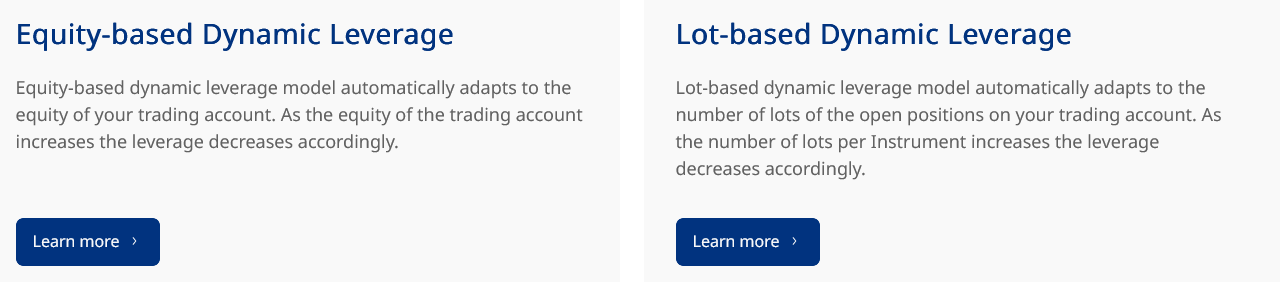
The lot-based dynamic leverage model that automatically adapts to the number of lots of the open positions on your trading account and equity-based dynamic leverage model that automatically adapts to the equity of your trading account.
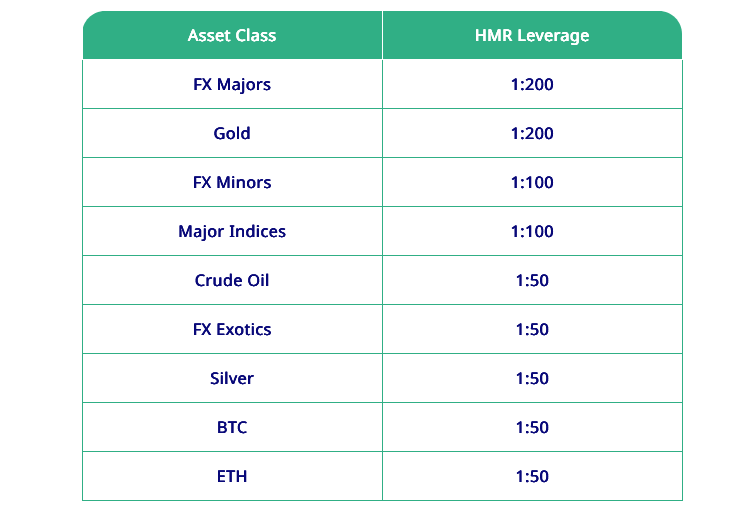
In addition,higher amounts of margin are required to open an order during periods which are known as HMR (higher margin requirements) periods. The HMR periods include 15 minutes before major news releases until 10 minutes after, and 2 hours before markets closing on Friday and for 1 hour after market opening on Monday. The margin requirements of positions that were opened prior to the HMR period will not be affected. During these periods, the maximum leverage for major currency pairs and gold is 1:200, for exotic currency pairs, oil, silver and cryptocurrencies is 1:50, and for other asset classes is 1:100.
XS.com does not offer Copy Trading, but does have options for passive income – PAMM accounts. PAMM (Percentage Allocation Management Module) accounts are investment solutions offered by forex brokers that allow traders to allocate their funds to professional money managers who trade on their behalf. These accounts are particularly useful for investors who want exposure to the forex market but lack the time, experience, or confidence to trade independently. While both PAMM and MAM accounts serve a similar purpose, they operate differently in terms of fund allocation, trade execution, and flexibility for investors.
A PAMM account is a pooled investment structure where multiple investors contribute funds to a single master account, managed by a professional trader. The money manager trades using their own capital alongside investors’ funds, ensuring they have a vested interest in generating profits. Profits and losses are distributed proportionally based on each investor’s percentage share of the total fund. The manager is compensated through performance-based fees, which are agreed upon in advance. Investors have no control over individual trades but can deposit, withdraw, or adjust their capital allocation at predefined intervals. The main advantage of PAMM accounts is their hands-off approach, making them ideal for investors looking for passive income opportunities. However, the success of a PAMM account depends entirely on the trading skills and risk management of the selected manager, and investors have limited flexibility in controlling risk at the individual trade level.
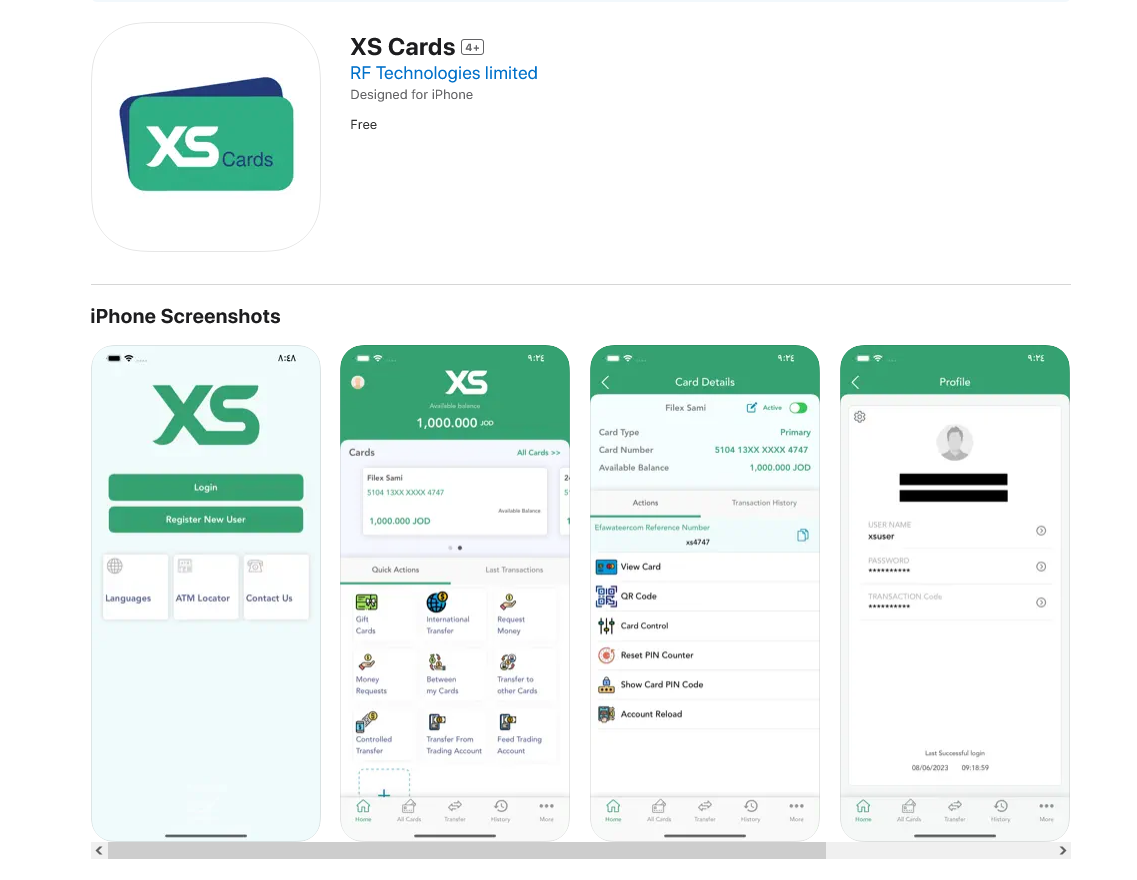
As XS Group offers a variety of financial services, XS.com broker clients have an unusual option – a branded prepaid MasterCard. This card is linked to your XS Wallet and can be used to fund your trading account. The XS prepaid Mastercard can be used online and offline (POS, ATMs, online payments, mobile applications, and loyalty programs). The XS Mastercard is issued in USD and comes with exclusive features, and a range of benefits and discounts. The card can be used via a dedicated mobile app. It should be noted as a minus that the broker does not have a full-fledged mobile application, which allows for comprehensive management of your trading accounts.
XS.com Deposit and Withdraw Methods
Payment methods are one area where XS.com does not compare well with most of its competitors. This broker only allows deposits and withdrawals via the most basic methods – bank transfer, credit/debit cards and the Skrill and Neteller e-wallets. Especially for brokers with global operations, it is common to offer a much wider choice, including regionally and locally specific payment processors and unconventional methods such as cryptocurrencies.
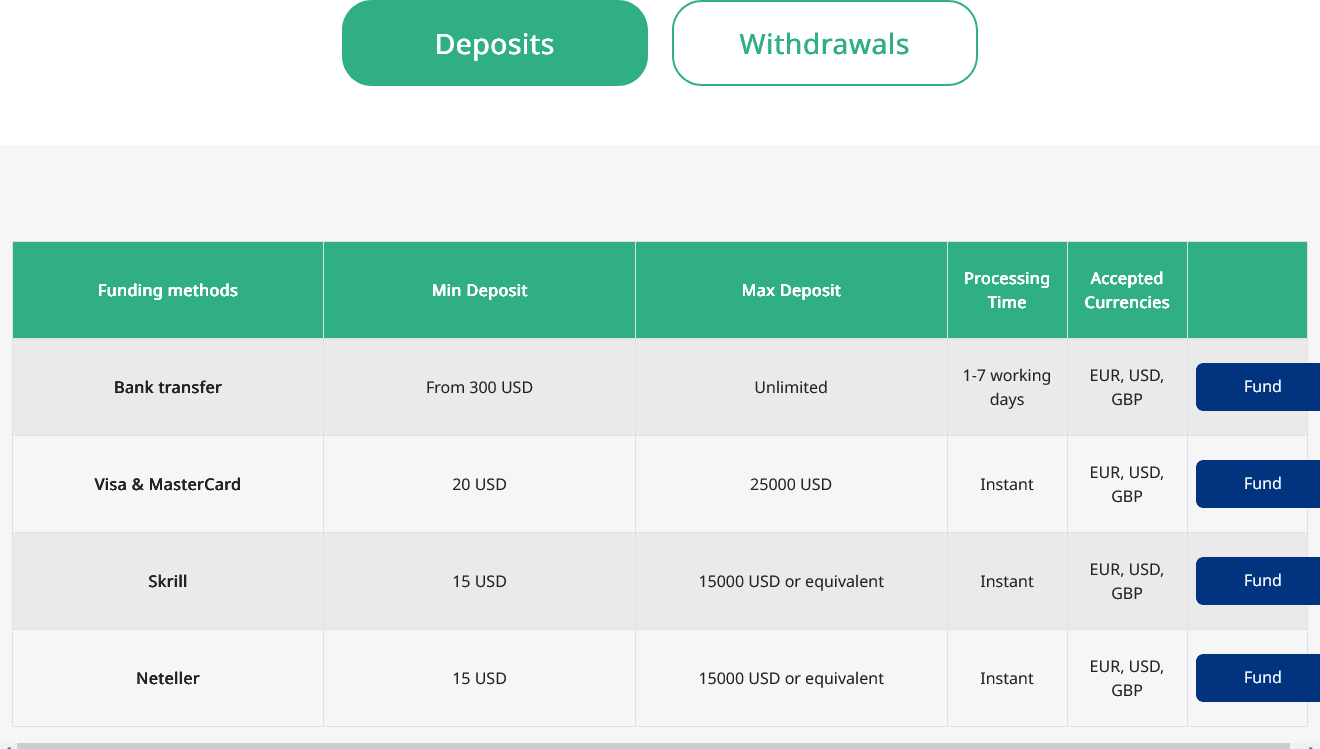
XS.com does not state its own transaction fees, but you should be aware of bank and other third-party charges.
The minimum amount to deposit by bank transfer is quite high – 300 USD or equivalent. The minimum is 20 USD when using a card and 15 USD when depositing via e-wallet. There is no maximum deposit amount when using a bank transfer, but there is a maximum of 25,000 USD when using a card. The maximum for depositing with Skrill and Neteller is 15,000 USD.
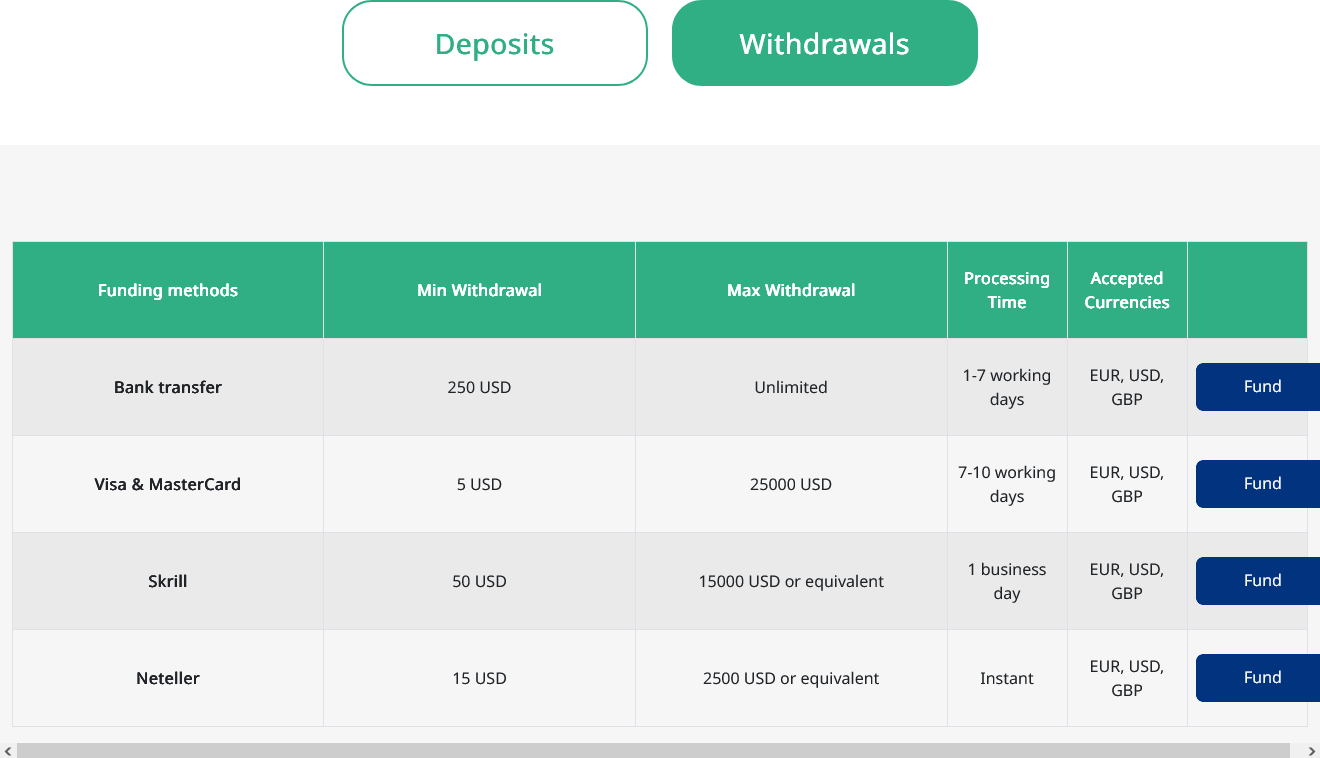
The minimum withdrawal amounts are 250 USD by bank transfer, 5 USD by card, 50 USD by Skrill and 15 USD by Neteller. Withdrawal maximums are the same as for depositing, except for Neteller, where there is a maximum withdrawal amount of 2500 USD.
Client’s withdrawals should be made using the same method used by the Client to fund his Client Account and to the same remitter. The Company reserves the right to
decline a withdrawal with a specific payment method and will suggest another payment method where the Client needs to proceed with a new withdrawal request, or request further documentation while processing the withdrawal request. Where applicable, the Company reserves the right to send Client’s funds only in the currency as these funds were deposited.
The banking transaction can take between 1 and 7 working days. Depositing with other payment methods is instant, but withdrawing with an e-wallet can take 1 business day. Withdrawals by credit/debit card may have a greater delay of 10 days.
| Deposit method | Minimum | Maximum | Processing time | Fee |
| Bank | $300 | Unspecified | up to 7 days | Free |
| Credit/Debit Card | $20 | $2500 | Instant | Free |
| Skrill | $15 | $15000 | Instant | Free |
| Neteller | $15 | $15000 | Instant | Free |
| Withdrawal method | Minimum | Maximum | Processing time | Fee |
| Bank | $250 | Unspecified | up to 7 days | Free |
| Credit/Debit Card | $5 | $25000 | up to 7 days | Free |
| Skrill | $50 | $15000 | up to 24 hours | Free |
| Neteller | $15 | $2500 | Instant | Free |
XS.com Bonuses and Promotions
One of the trump cards of offshore brokers is their ability to offer bonuses and promotions. However, XS.com does not offer deposit bonuses and welcome bonuses, which are the most common. Instead, this broker has fairly limited offerings for trade contests and a VIP loyalty program.
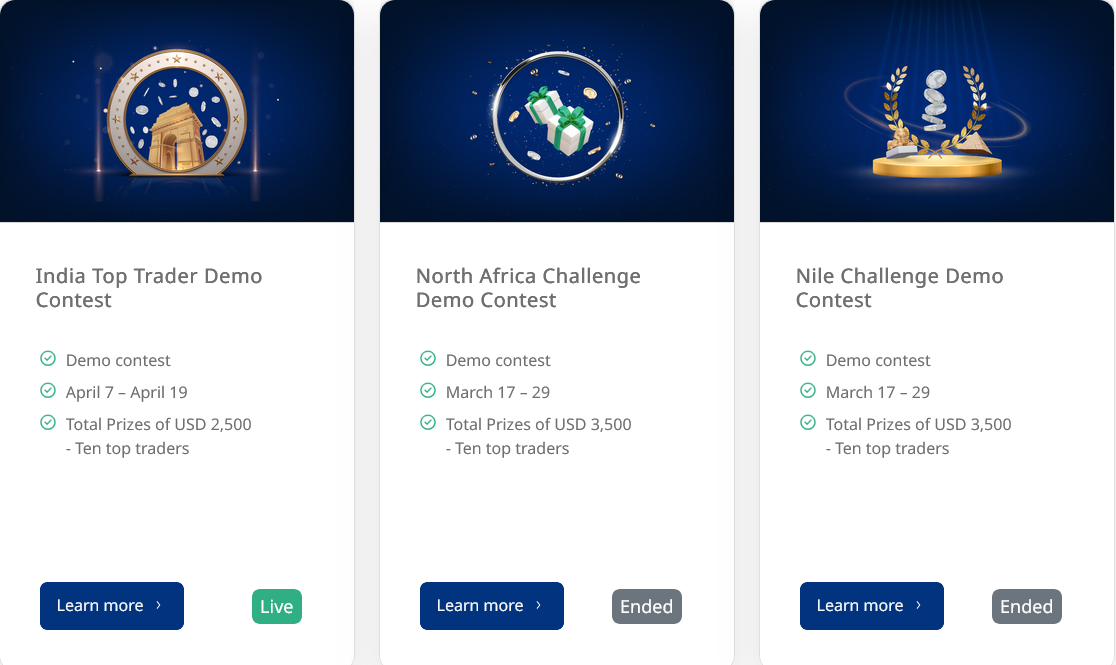
XS.com’s trade contests have prize pools of 2,500-3,500 USD and last about two weeks. These contests are often geographically circumscribed – at the time of writing this review, there is an ongoing contest that only customers with verified accounts from India can participate in. One of the previous competitions was exclusively for traders from Egypt.
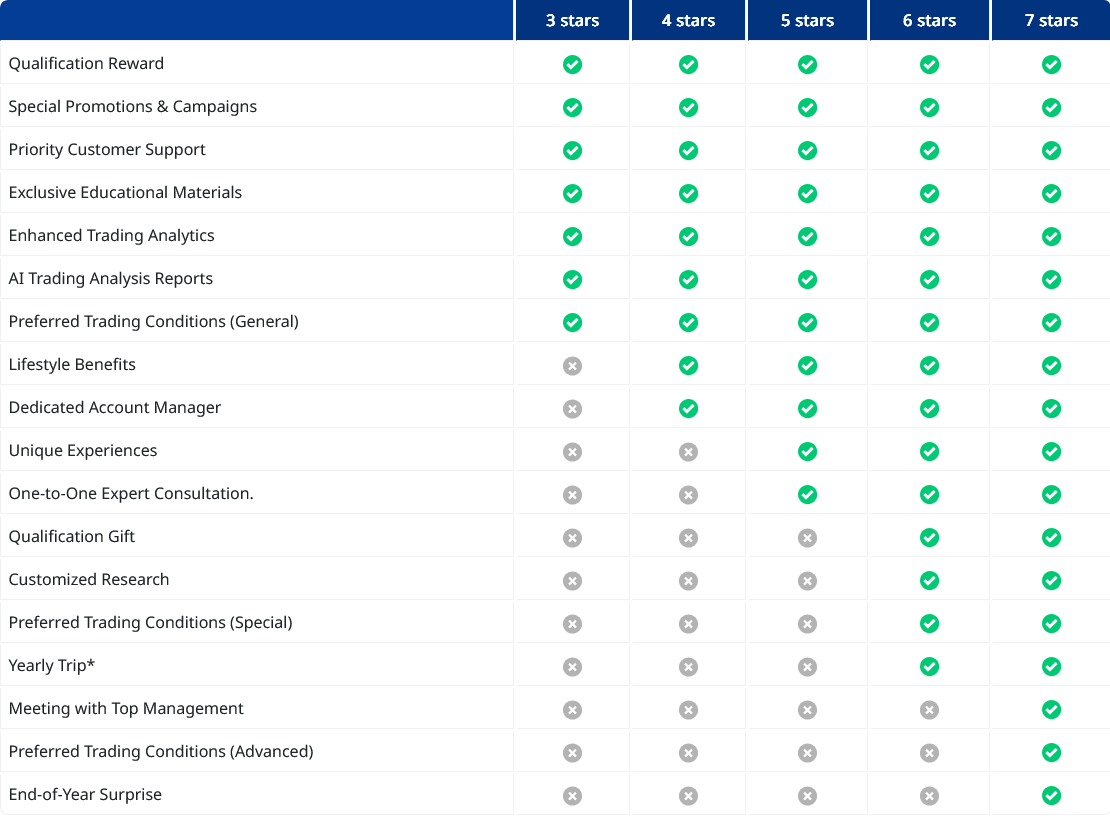
This broker’s loyalty program is undoubtedly VIP. There are five levels, with the first requiring a deposit of at least 20,000 USD and the last requiring a deposit of over 500,000 USD. The benefits are described rather vaguely, with preferred trading conditions only available for the highest tier.
XS.com Tools and Education
The only educational resource on the XS.com website is a forex glossary. The broker also does not offer basic tools such as trading calculators or an economic calendar.
The only analytical and research tool available is the XS AI Insights tool. This is an AI-powered analytics platform offered by XS.com, designed to help traders enhance their performance by analyzing their trading behavior. It utilizes behavioral AI, which combines artificial intelligence techniques with behavioral science, to detect hidden biases and patterns in a trader’s history. By examining factors such as trade execution, risk exposure, and decision timing, the tool provides personalized feedback aimed at refining strategies and improving risk management. Key features include the identification of up to 40 behavioral and cognitive bias patterns, detection of emotional trading behaviors like overtrading or revenge trading, and suggestions for optimizing trade exits and holding periods. This tool is particularly beneficial for traders seeking to understand and correct detrimental trading habits, ultimately aiming to enhance profitability and decision-making processes. XS AI Insights is available exclusively to XS VIP clients
Notes from the author:
XS.com is effectively the offshore division of a regulated broker, although it uses a different brand than the group's divisions in Europe and Australia. This in itself makes it more suitable than a purely offshore broker for clients from certain regions without strict financial regulations who insist on some regulatory security for their funds. An added plus for XS.com is that it provides negative balance protection, which is not a given. XS.com tries to differentiate itself from most of its competitors not only by offering a fairly high leverage, but also by giving you a choice between different schemes for calculating the maximum leverage. This broker also offers a significant variety of trading account types - to the point that it is confusing if you proceed to sign up without having read the specifics of the offerings beforehand. XS.com's spreads and commissions are competitive but not impressively low, and the number of tradable instruments is rather unimpressive. Unlike other offshore brokers, XS.com does not offer deposit or welcome bonuses. The loyalty program is only available to customers who have made significant investments, and the benefits are rather vaguely described. The lack of a full-fledged mobile app is also disappointing, but some clients might be interested in the broker's virtual MasterCard offering tied to the trading wallet. At the same time, however, Cent and Micro accounts are available, suitable for customers with low capital. So XS.com is both quite specific in some of the wears, but also every trader could potentially find something suitable for themselves.


